What is a Backyard Play Set and Why is it Important for Kids?
Backyard play sets are more than just swings and slides. They serve as essential tools for childhood development. According to Dr. Emily Foster, a child development specialist, "Backyard play sets promote physical health and social skills."
Children engage with their environment, improving their motor skills. They climb, swing, and slide, which helps in developing coordination. Yet, not all backyard play sets are created equal. Some lack safety features, which can lead to injuries.
Parents should carefully select these play structures. A great play set fosters imaginative play but requires proper maintenance. Regularly checking for wear and tear is essential. Reflection on how these sets impact children's lives is necessary. Do they encourage enough outdoor time? Or do they lead to sedentary habits? The right backyard play set can create wonderful memories, while the wrong one could be a missed opportunity for play.
What is a Backyard Play Set?
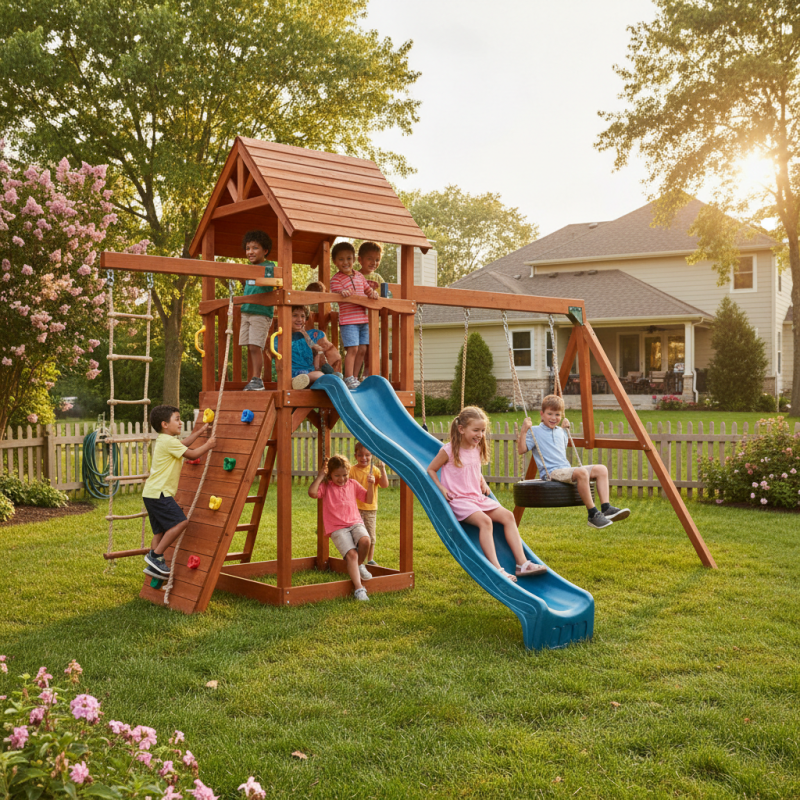
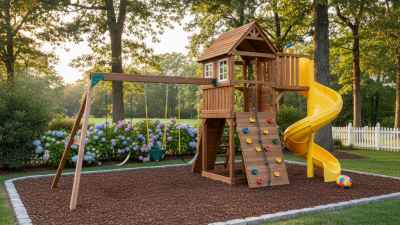
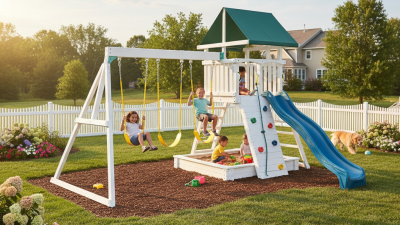
A backyard play set is a collection of structures designed for children's outdoor play. These sets often include swings, slides, climbing walls, and fort-like areas. According to a report by the American Academy of Pediatrics, outdoor play significantly enhances children’s physical health and social skills. A well-designed play set can meet these developmental needs.
Many families underestimate the importance of active play. Studies show that children need at least 60 minutes of physical activity each day. A backyard play set can provide a safe environment for this activity. It encourages imagination as kids transform playsets into castles or pirate ships. Yet, not all play sets are built with safety in mind. Parents should regularly check for wear and tear.
Cost is another consideration. Investing in a play set can be expensive. A survey from the International Playground Equipment Manufacturers Association indicates that nearly 30% of parents feel overwhelmed by choices. They need clear guidance on quality, safety, and maintenance. Finding the right balance between affordability and durability can be a challenge for families. Engaging in outdoor play is vital, but the decision-making process requires careful thought and research.
Key Components of a Backyard Play Set
A backyard play set is an essential addition to any home with children. It creates a space for physical activity and imaginative play. Research shows that kids engaged in active play are healthier and happier. One study indicates that children who play outside regularly experience lower stress levels.
Key components of a backyard play set typically include swings, slides, and climbing structures. Swings help develop balance and coordination. Slides provide thrills and encourage kids to take turns. Climbing towers enhance strength and problem-solving skills. Each element plays a different role in child development.
Tips: Ensure the play set has safety features like soft ground materials and rounded edges. Check the materials for durability and resistance to weather. Regular maintenance is necessary to avoid potential hazards. Lastly, consider the age range of your kids. An adjustable play set might serve them well as they grow. Opting for quality might mean a higher initial investment, but it pays off in safety and longevity.
Benefits of Backyard Play Sets for Child Development
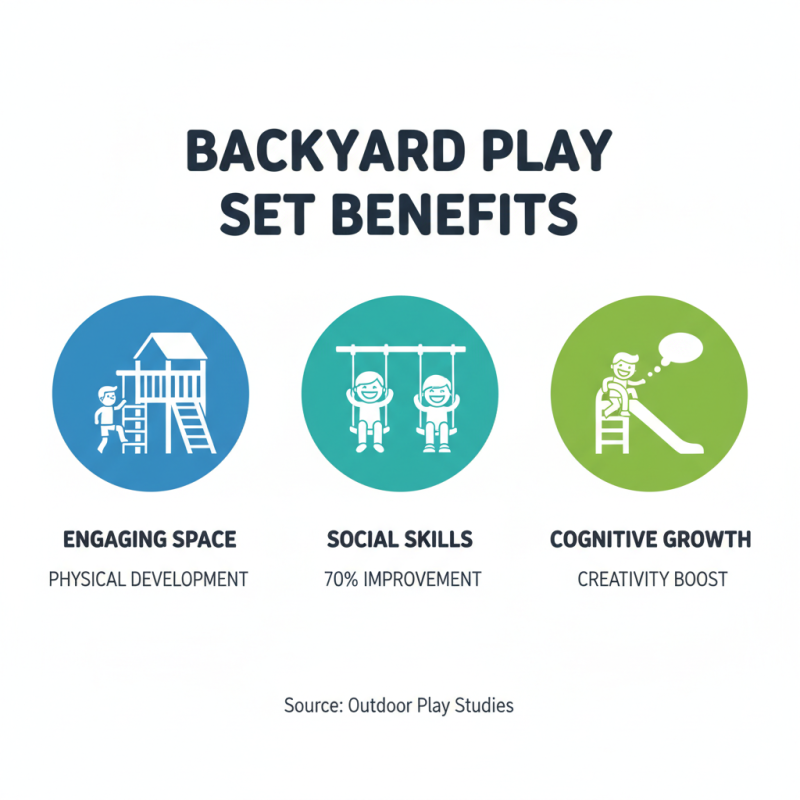
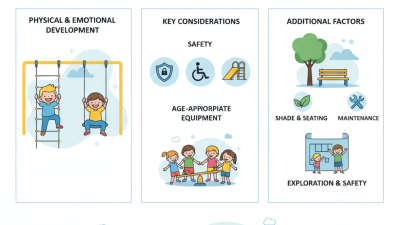
Backyard play sets provide an engaging space for children. They offer numerous benefits that can enhance a child's development. Studies show that outdoor play fosters social skills, helping kids learn to work together. Around 70% of children benefit from social interactions during playtime.
Physical activity is essential for child growth. Climbing, swinging, and sliding help develop strength and coordination. Research by the American Academy of Pediatrics states that active play can reduce obesity and improve overall health. Kids who play outdoors are also more likely to maintain a healthy weight compared to those who play indoors.
However, many families underestimate the importance of unstructured play. Some children may not feel comfortable exploring freely or taking risks. Without encouragement, they might miss out on essential learning experiences. That's why fostering an environment where kids can safely experiment is crucial. Parents should be mindful of this balance.
Safety Considerations for Backyard Play Sets
When considering a backyard play set, safety is paramount. According to the American Society for Testing and Materials (ASTM), about 200,000 children visit emergency rooms each year for play-related injuries. Proper installation and maintenance of playsets can significantly reduce these risks. A level surface is crucial to prevent tipping. Additionally, ensuring there are no sharp edges or splinters can help keep kids safe.
When selecting a play set, materials matter. Wood should be treated to resist decay, while plastic components should be UV-stabilized. Rubber mats or grass can soften falls. The Consumer Product Safety Commission (CPSC) recommends a safe play area that is at least six feet around the play set. This buffer helps prevent collisions with nearby objects.
Tips: Regularly inspect the play equipment for wear and tear. Check for loose screws, rust, or cracks. Get your kids involved by making a game out of the inspection process. This builds safety awareness early on. Create clear rules about how to use the play set and supervise usage, especially for younger children. Safety is a shared responsibility in any backyard.
What is a Backyard Play Set and Why is it Important for Kids? - Safety Considerations for Backyard Play Sets
| Dimension |
Details |
| Purpose |
Encourages physical activity, social interaction, and imaginative play. |
| Common Features |
Slides, swings, climbing structures, sandboxes, and forts. |
| Age Range |
Typically designed for children aged 2 to 12 years. |
| Safety Standards |
Must comply with ASTM and CPSC safety guidelines. |
| Material Options |
Wood, metal, plastic, or a combination of materials. |
| Maintenance Tips |
Regularly check for rust, splinters, loose parts, and overall stability. |
| Installation Guidelines |
Follow manufacturer instructions and ensure a stable, level surface. |
Choosing the Right Backyard Play Set for Your Child
Choosing the right backyard play set for your child can be a fun yet challenging task. Each child is unique, with different interests and energy levels. Consider their age and what activities excite them. A toddler might prefer a small slide and sandbox. Older kids may enjoy climbing structures or swings.
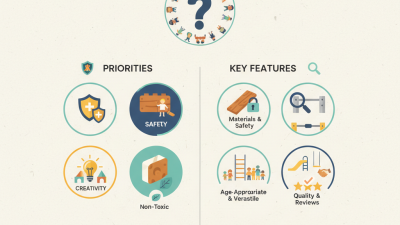
Safety should be a priority when selecting a play set. Check the material and structure. Ensure it is sturdy and doesn't have sharp edges. Look for age-appropriate features. Too many complex elements can overwhelm young children.
It’s okay if your first choice doesn’t feel perfect. You might need to adjust based on your child’s preferences over time.
Space is another factor to reflect on. Measure your yard carefully. Ensure there’s enough room for the set and safe play areas around it. This can prevent accidents.
Also, consider maintenance. Some materials require more care than others. Your initial excitement might fade if upkeep becomes overwhelming. Listen to your child’s feedback as they play. This will help you make better choices in the future.