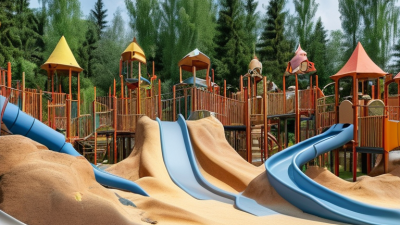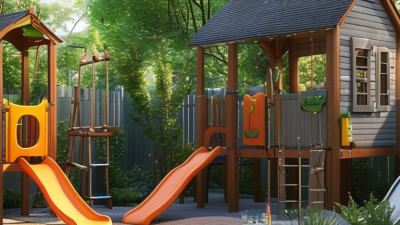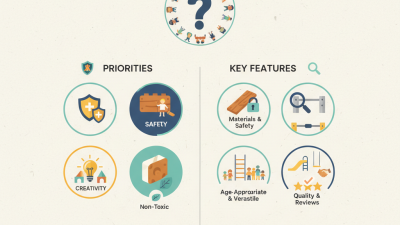
Choosing the 2026 best vinyl playground sets requires more than comparing bright colors and retail ratings. A convincing evaluation must examine material quality, structural design, safety features, weather resistance, and long-term maintenance. Vinyl-coated components can feel smooth and resist splinters. However, they may fade, crack, or loosen when exposed to intense sunlight and repeated temperature changes. Small details matter, including rounded edges, covered fasteners, secure handrails, and drainage around the play area.
Playground safety authority Joe L. Frost wrote, “Play is the business of childhood.” That principle should guide every buying decision. A strong vinyl playground set should invite imaginative movement without creating unnecessary risks. Look for age-appropriate platforms, stable ladders, impact-absorbing surfacing, and clear installation instructions. Check whether the manufacturer references applicable standards, such as ASTM F1487, and confirm local requirements before installation. Standards alone do not guarantee perfect performance.
There is no universal winner.
This guide compares leading vinyl playground sets through practical, evidence-based criteria. It considers how each set performs in a real backyard, where muddy shoes, wet weather, fading colors, and hurried maintenance are unavoidable. Some designs appear impressive but offer limited climbing variety. Others cost more yet provide stronger warranties or replaceable components. Those differences deserve attention.
The final rankings may still involve judgment. Product availability can change. User experiences can vary. Even careful testing has limits. Readers should measure their available space, inspect the ground conditions, and consider children’s ages before choosing a set. The best option is not simply the largest or most colorful model. It is the one that balances play value, durability, safety, and realistic upkeep.
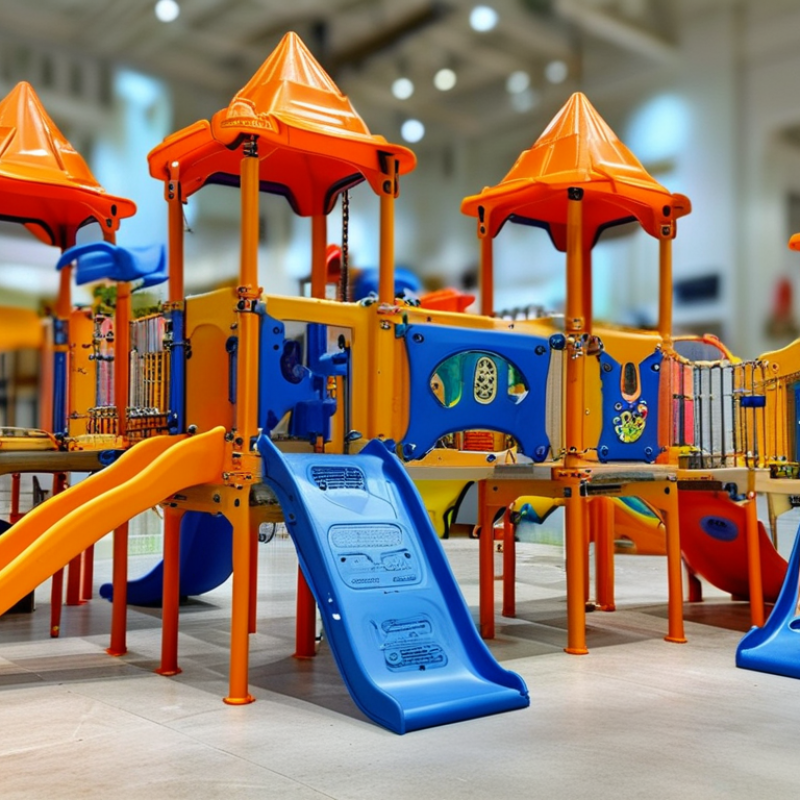
The best vinyl playground sets in 2026 combine safety, weather resistance, and thoughtful design. A durable vinyl coating should resist cracking, fading, and moisture around joints. Look for galvanized steel frames beneath the surface. That hidden structure matters.
The U.S. Consumer Product Safety Commission reported that falls caused about 79% of playground-related injuries in its equipment injury study. Therefore, thick impact-absorbing surfacing is essential. Engineered wood fiber, rubber tiles, or poured-in-place surfaces should extend beyond slide exits and swing zones. The CPSC Public Playground Safety Handbook also recommends eliminating sharp edges, entrapment gaps, and unsafe protrusions. Rounded corners help, but they do not replace regular inspections.
Good sets should include UV-stabilized vinyl, rust-resistant hardware, secure handrails, and properly spaced climbing elements. ASTM F1487 provides widely used safety requirements for public playground equipment, while ASTM F1292 addresses impact attenuation for surfacing. Ask for test documentation, not vague promises. A drainage-friendly deck can prevent slippery puddles after rain. Small details count.
I prefer modular designs because damaged panels can be replaced without removing the entire structure. Still, vinyl is not maintenance-free. I have seen attractive surfaces fade when owners ignored shade and cleaning instructions. That weakness deserves attention. Check bolts, seams, anchors, and surface wear every month. A playground can look excellent and still hide a loose connection.
The best vinyl playground sets begin with safety, not appearance. Vinyl usually covers steel posts, panels, or handrails. A durable coating should resist cracking, peeling, moisture, and strong sunlight. Look for galvanized steel beneath the coating. It helps reduce rust around joints and bolt holes. Smooth, sealed surfaces also reduce splinters and sharp edges.
Responsible manufacturers should test equipment against recognized standards, such as ASTM F1487 or EN 1176. Local rules may also require accessibility features and specific installation methods. Check documentation for impact testing, chemical limits, load capacity, and age recommendations. The play area needs clear fall zones, safe surfacing, and openings that prevent head entrapment. A rubber tile may look secure, but poor installation can still create dangerous gaps. This detail is easy to miss.
During inspections, I would touch exposed surfaces, check loose fasteners, and examine drainage after rain. Vinyl can feel soft, yet damaged coating may hide corrosion underneath. That is a real weakness. Shade structures help, but they do not remove heat risks on dark surfaces. Choose certified materials with UV stabilizers and verified low-emission components. Ask for maintenance instructions and independent test reports. Some sellers provide attractive photographs but limited technical evidence. That should invite careful questions, not immediate trust. Regular checks should cover fading, cracking, sharp projections, surfacing depth, and unstable foundations. Safety depends on installation and maintenance as much as material selection.
The best vinyl playground sets for 2026 should balance footprint, structure, and age-specific movement. A compact set suits smaller yards, but a narrow platform can make climbing feel crowded. Larger layouts allow parallel play, with a slide, climbing wall, and shaded deck working together. Measure the full fall zone, not only the vinyl frame.
The U.S. Consumer Product Safety Commission reports about 205,000 annual emergency-department playground injuries, with falls causing roughly 79 percent. That figure comes from its Public Playground Safety Handbook and remains useful for evaluating layout decisions. ASTM playground safety guidance also emphasizes age separation, guardrails, entrapment prevention, and impact-absorbing surfaces.
For ages two to five, choose low platforms, short slides, broad steps, and handrails that small hands can grip. Children ages five to twelve usually need taller climbing challenges, overhead bars, and more complex routes. Not every “advanced” feature is better.
Vinyl can feel smooth and comfortable under bare hands, especially around rounded edges. Still, surface temperature, sunlight exposure, drainage, and hardware quality deserve inspection. I would check seams after installation. Small gaps can become annoying, or worse. A set may look impressive online but feel undersized when two children climb together. I have found that practical spacing matters more than extra accessories. That judgment can change with the yard, supervision, and the child’s confidence. Safety data should guide the choice, not replace careful observation.
For 2026, the strongest vinyl playground sets begin with careful site preparation, not colorful panels. An experienced installer checks soil stability, drainage, shade, and the fall zone before opening the first carton. Level ground matters. Poor grading can leave water around posts and soften nearby soil. Concrete footings must match the structure’s instructions and local safety requirements. Anchors should sit below the finished surface, with no exposed edges.
Installation quality directly affects long-term durability. Vinyl resists moisture, insects, and routine staining, but it is not maintenance-free. Inspect slides, handholds, deck joints, and fasteners every month during heavy use. Look for hairline cracks, loose hardware, fading, or unusual movement. Wash surfaces with mild soap and water. Avoid abrasive pads and harsh solvents, which may dull the finish. Check drainage after heavy rain. That simple test catches problems early.
The best 2026 options should also be practical to repair. Replaceable panels and accessible hardware can reduce future waste and downtime. Ask for clear installation records, load guidance, cleaning instructions, and replacement-part availability. A reputable supplier should explain material specifications and provide safety documentation. Do not trust appearance alone. A bright surface can hide poor anchoring or trapped moisture. It is easy to overestimate vinyl’s toughness. Extreme sunlight can still age colors and seals. Shade helps, but it cannot replace regular inspections.
Choosing a vinyl playground set starts with safety, not color or slide count. For 2026, prioritize certified materials, stable construction, and suitable dimensions. The U.S. Consumer Product Safety Commission’s analysis of 2009–2014 NEISS data estimated about 200,000 playground-related injuries received emergency treatment annually among children. That figure makes installation quality essential. Vinyl is only the skin. Ask whether the frame resists corrosion, the coating contains UV stabilizers, and the seams remain smooth after temperature changes.
Check documentation against ASTM F1148 for residential playground equipment. ASTM F1292 evaluates impact attenuation for protective surfacing, while ASTM F1487 addresses public-use equipment. These standards do not replace careful inspection. They provide a useful benchmark. CPSC guidance recommends protective surfacing extending at least six feet around stationary equipment. Swing areas need additional space, typically twice the suspension height in front and behind. Measure your yard before ordering. A beautiful set can become unsafe when placed beside a wall, fence, or low branch.
Look closely at drainage holes, bolt covers, handrail grips, and platform edges. Water trapped inside vinyl components may create hidden deterioration. A darker surface can also become uncomfortably hot under direct sun. Request laboratory reports, installation instructions, and maintenance intervals from the seller. I would not trust the word “weatherproof” alone. Real yards are uneven, and children use equipment unpredictably. Recheck loose hardware every month, especially after storms. The perfect set may still need better shade and deeper surfacing.