Best Outdoor Play Tips for Kids to Boost Their Development?
Outdoor play is essential for a child's development. Engaging with nature and peers fosters creativity, physical skills, and social interactions. Kids who spend time outdoors often show improved problem-solving abilities. They learn to navigate challenges in a hands-on environment.
However, many children today are missing out on the benefits of outdoor play. Screen time often takes precedence over physical activities. Parents may worry about safety or lack inspiration to create a fun outdoor experience. Yet, simple adjustments can reignite the joy of outdoor exploration.
By encouraging outdoor play, children build resilience and confidence. They discover the world around them in unique ways. Balancing structured activities with free play is vital. Every play experience won't be perfect, but these moments are opportunities for learning and growth.
Understanding the Importance of Outdoor Play for Child Development
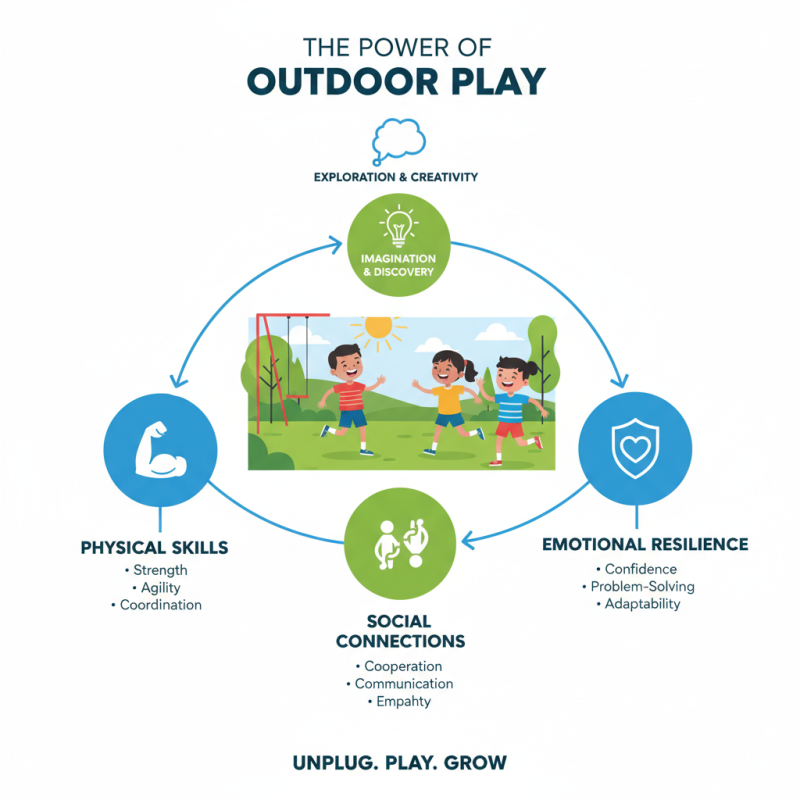
Outdoor play is crucial for a child's development. It helps build physical skills, social connections, and emotional resilience. Kids learn through exploration. They interact with their environment, which boosts creativity. The freedom to move and play outside encourages children to think independently. This can lead to discoveries that spark their imagination.
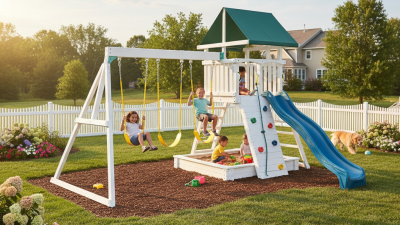
Encouraging outdoor play is easy. Create spaces where kids can run and explore. Parks or backyards can be ideal. Ensure that these spots are safe and engaging. Provide some toys like balls or kites to stimulate play. However, avoid micromanaging their activities. Let them take risks. This helps them learn about boundaries and how to navigate challenges.
Children also develop social skills in outdoor settings. They learn to share, negotiate, and resolve conflicts. Organizing small playgroups can enhance these skills. This fosters teamwork and communication. Yet, not every interaction will be smooth. Kids may face challenges in playing together. It’s essential to guide them without taking control. Opportunities for reflection can lead to personal growth. Through outdoor play, children experience ups and downs, which shapes their character.
Essential Outdoor Activities to Enhance Physical Skills in Kids
Outdoor activities are crucial for children's physical development. Climbing trees can boost their strength and confidence. Kids learn to assess risks while having fun. Running around in open spaces improves their endurance and coordination. These activities promote balance and flexibility, which are essential for their growth.
Creative outdoor games are also beneficial. Games like tag and hide-and-seek require quick thinking and agility. However, sometimes kids may feel frustrated if they can’t keep up. This is a good opportunity for them to learn patience and resilience.
Parents can assist by creating obstacle courses. These can include simple items like cones and ropes. Kids enjoy the challenge and feel a sense of accomplishment. Sometimes, they may struggle to complete the course. It’s important to encourage them to keep trying. This builds not just physical skills, but also determination and teamwork.
Best Outdoor Play Tips for Kids to Boost Their Development
| Activity |
Benefits |
Recommended Age |
Duration |
Equipment Needed |
| Tag |
Improves agility and social skills |
4-10 years |
30-60 minutes |
None |
| Nature Scavenger Hunt |
Enhances observation skills and encourages exploration |
5-12 years |
1-2 hours |
List of items, bags for collection |
| Obstacle Course |
Builds strength, balance, and coordination |
3-10 years |
30-45 minutes |
Cones, ropes, hoops |
| Ball Games |
Develops hand-eye coordination and teamwork |
4-12 years |
30-60 minutes |
Balls, goals |
| Bike Riding |
Boosts cardiovascular health and independence |
5-12 years |
30-90 minutes |
Bicycle, helmet |
How Creative Play Outdoors Stimulates Cognitive Development
Creative play outdoors is vital for children's cognitive development. Engaging in activities such as climbing trees or building forts promotes problem-solving skills. A study conducted by the American Academy of Pediatrics found that outdoor play leads to improved attention spans and greater creativity. Children who regularly play outside exhibit better cognitive flexibility compared to those who remain indoors.
Tips: Encourage your child to explore their environment. Simple activities like gathering leaves or observing insects spark curiosity. Allow them to use their imagination to create stories. These experiences deepen their understanding of the world.
Outdoor play also helps with social skills. When children work together on projects, they learn to communicate and cooperate. According to research from the National Institutes of Health, children benefit from outdoor challenges, as it fosters resilience. Watching kids navigate these challenges can reveal weaknesses in their approaches. It’s a chance for parents to reflect and help guide them.
Engaging Social Skills Through Team Sports and Group Games
Engaging kids in team sports and group games is crucial for enhancing their social skills. According to a study by the American Psychological Association, participation in team sports fosters communication and cooperation. Kids learn to share goals and work together towards a common objective. This interaction shapes their ability to build friendships and navigate social circles.
Playing games outdoors helps children understand their emotions and those of others. They face challenges, experience victories, and cope with losses, creating a rich tapestry of experiences. Children often struggle with conflict resolution, and teamwork can expose them to moments for growth. For example, during a soccer match, a disagreement on a foul can be a chance for negotiation.
Yet, not all experiences are perfect. Some kids may feel left out or struggle to assert themselves. Coaches and parents must be aware of these dynamics. It's important to encourage quieter children to take part. Both success and failure play a critical role in developing resilience. Group play should remain inclusive but sometimes doesn't meet that mark. The aim is to create a balanced environment where all feel valued.
Safety Tips for Parents: Ensuring a Safe Outdoor Play Environment
Outdoor play is essential for children's development. However, ensuring their safety is equally crucial. According to the American Academy of Pediatrics, outdoor play enhances physical health and emotional well-being. Yet, injuries during playtime are common. In fact, nearly 200,000 children visit emergency rooms each year due to playground-related injuries.
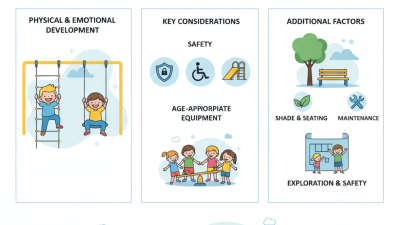
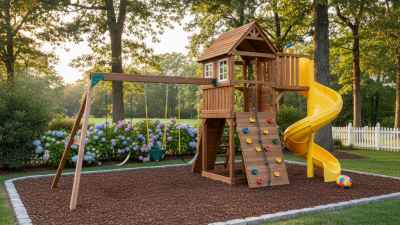
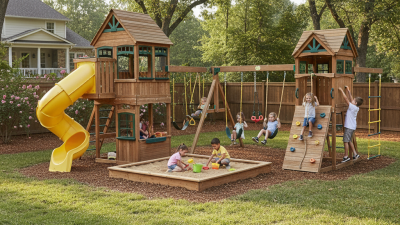
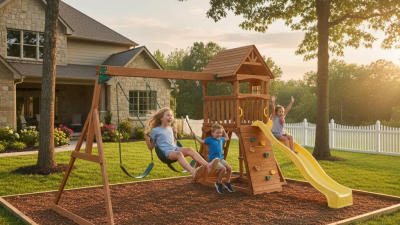
To create a safe play environment, parents should regularly check equipment for wear and tear. Ensure that play areas are free from sharp objects. Grass or mulch can provide a softer landing surface, reducing injury risk. Also, supervision is key. Children need attentive adults nearby to intervene if necessary. Even a moment of distraction can lead to accidents.
Awareness of potential hazards can prevent many injuries. Monitor the surroundings for unstable surfaces or stray animals. Discuss safety rules with children. Teach them to share equipment and take turns. These simple conversations can instill lifelong safety habits. While ensuring safety can sometimes feel overwhelming, every small step counts in protecting our children during their outdoor adventures.