Best Home Outdoor Playground Options for Kids Worldwide?
Creating a safe and stimulating home outdoor playground is essential for children’s development. Experts like Dr. Emily Garcia, a child development specialist, emphasize, “A well-designed outdoor space encourages creativity and physical activity, nurturing healthy growth.”
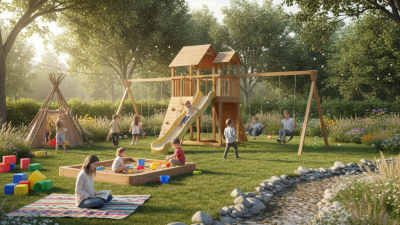
Home outdoor playgrounds can provide endless joy and learning opportunities. They promote exercise and imaginative play in a controlled environment. Parents often feel overwhelmed by choices, and it can be challenging to determine what suits their children best.
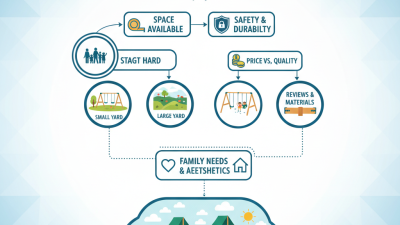
Selecting the right equipment is essential. Some options may lack safety features or durability. It's vital to invest in quality materials for peace of mind. Think about how the playground fits into your yard space and your child's interests. Reflect on the balance between aesthetics and practicality. Ultimately, a thoughtfully designed home outdoor playground can significantly enrich a child’s childhood and overall well-being.
Top Features to Consider When Choosing an Outdoor Playground
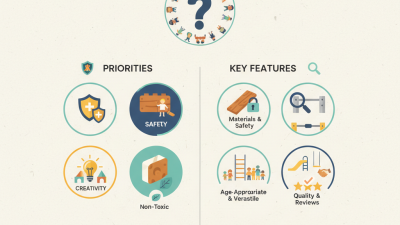
When considering an outdoor playground for kids, safety is paramount. Look for equipment made from durable materials that meet safety standards. Non-toxic finishes and rounded edges can minimize injury risks. The ground surface should be cushioned, like rubber mats or mulch, to soften falls. Pay attention to the height and spacing of climbing structures; they should fit the age group using them.
Space is another crucial factor. Ensure you have ample room for various activities. Kids need space to run freely and engage in different play types. A well-designed layout can maximize play potential while keeping kids safe. Shade is also vital. Sun exposure can lead to overheating, so consider shelters or natural shade from trees.
Tips: Always involve your kids in the selection process. Their preferences will make the playground more enjoyable. Regular maintenance checks are essential. Inspect equipment for wear and tear. Address any issues promptly to ensure ongoing safety. Remember, a playground should inspire creativity and foster physical activity. Don't rush the decision; take time to reflect on what suits your family's needs best.
Types of Outdoor Playgrounds Available for Home Use
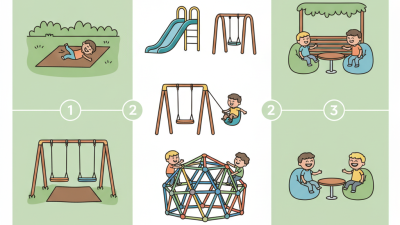
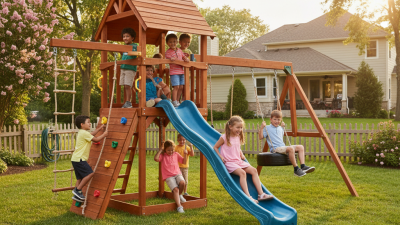
Creating a home outdoor playground offers endless opportunities for children to grow and play. Various types of playground equipment cater to different age groups and interests. Swing sets are popular, providing hours of fun and helping kids develop balance and coordination. Climbing frames encourage physical challenges, allowing children to build strength and confidence. Meanwhile, slide units are a simple yet thrilling addition to any outdoor space.
When choosing equipment, consider the safety aspects. Always check for durable materials and soft landing areas to minimize injuries. Regular maintenance is crucial. Inspect the playground for wear and tear. Kids often ignore safety rules, so set clear boundaries around playtime rules. Moreover, ensure that the area has enough space for movement. Crowded areas can lead to accidents.
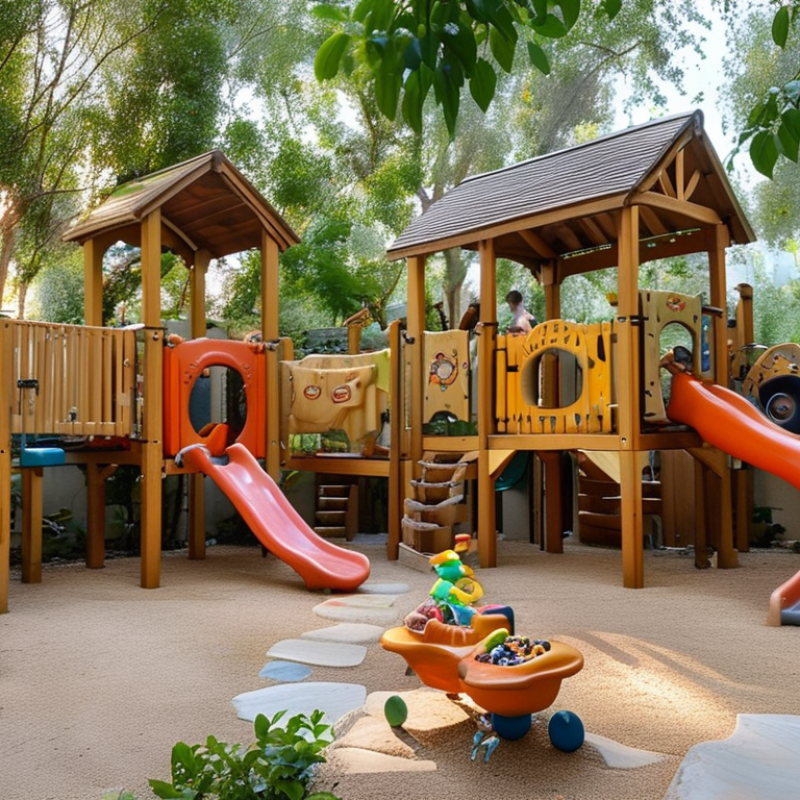
Incorporating unique features like sandboxes or water tables can add variety to playtime. These elements stimulate creativity and imagination. Observe the preferences of your children. Sometimes, less popular play equipment can encourage skills they need to develop. Foster an environment where kids can explore different types of play.
Safety Standards and Regulations for Home Playgrounds
When setting up a home playground, safety should be a top priority. Compliance with safety standards is critical. Various organizations outline these regulations to ensure families can enjoy outdoor play without worry. Equipment stability is essential. Swings and slides must be anchored securely to prevent tipping. Ground surfaces also play a role. Soft materials like mulch or rubber mats can help cushion falls.
Regular maintenance is just as vital. Inspect equipment frequently for wear and tear. Look for rust, splinters, or loose parts. Children often overlook potential hazards, so it’s up to adults to keep play areas safe. Be mindful of the age range for each piece of equipment. What is safe for toddlers might not be appropriate for older kids.
Creating a safe backyard playground involves more than just buying equipment. Educating children about safety is equally important. Teach them how to use equipment properly and the importance of taking turns. Consider setting rules to minimize rough play. Each family must assess their yard’s unique characteristics. Reflecting on these aspects can improve safety for all.
Popular Outdoor Playground Brands and Their Offerings
When selecting outdoor playground equipment for children, several factors come into play. Parents often seek features like safety, durability, and educational value. Data from the International Playground Equipment Manufacturers Association highlights that outdoor play significantly boosts children’s cognitive and physical development. This underlines the importance of choosing quality brands.
Popular playground brands offer various options, including slides, swings, and climbing structures. Innovations in materials, such as recycled plastics, have enhanced safety and environmental sustainability. A recent study found that 85% of parents prioritize equipment made from safe, non-toxic materials. This reflects a growing awareness about children's health and safety.
**Tip:** Always check for safety certifications. This ensures the equipment meets industry standards. Observe how children interact with the playground design. Modify selections based on age appropriateness.
Some playgrounds focus on community engagement. This is valuable for social skills development. However, not all playgrounds consider accessibility for children with disabilities. This is an area needing more attention to create inclusive environments.
**Tip:** Involve your kids in the selection process. Their preferences can guide you toward engaging options. A well-chosen playground can foster a child’s imagination and teamwork skills.
Best Home Outdoor Playground Options for Kids Worldwide
Creative Ideas for DIY Home Outdoor Playgrounds
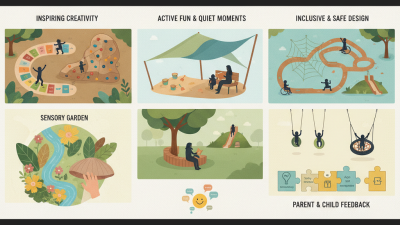
Creating a DIY home outdoor playground provides endless fun for kids. It's essential to foster creativity and physical fitness. Start by assessing your available space and the age of your children. A flat area with soft grass or mulch can serve as the perfect foundation.
Think about incorporating various elements like slides, swings, and climbing structures. Try using wooden pallets to build small obstacle courses. You could repurpose old tires for climbing or create a sandbox. Remember to ensure all materials are smooth and safe. Always supervise children during play to prevent injuries.
Tips for safety include checking for sharp edges and using non-toxic finishes. Regular maintenance is needed to keep everything in good shape. Reviewing the playground's setup periodically helps in identifying potential hazards. This way, you can adapt the space as your children grow. DIY playgrounds are rewarding but consider their complexities. Embrace the journey of creating something unique for your kids.