Best Pet Furniture Bed Options for Global Buyers?
As pet owners, choosing the right Pet Furniture Bed is crucial for our furry friends. A comfortable bed not only enhances their sleep but also contributes to their overall well-being. With numerous options available globally, understanding what to look for can be overwhelming. Many consumers often overlook essential factors when selecting these beds, leading to dissatisfaction.
Pet Furniture Beds come in various styles, sizes, and materials. Some are designed for larger breeds, while others cater to smaller pets. Consideration of your pet's specific needs is vital. Quality, durability, and ease of cleaning are often neglected yet significant aspects. Furthermore, exploring unique designs that blend with home decor can elevate your living space and your pet’s comfort.
Selecting the right bed is more than just aesthetics. It requires a thoughtful approach that considers your pet’s habits and health. Investing in a high-quality Pet Furniture Bed will result in happier pets and less hassle for owners. Reflecting on your choices can lead to better decisions for both you and your beloved companion.
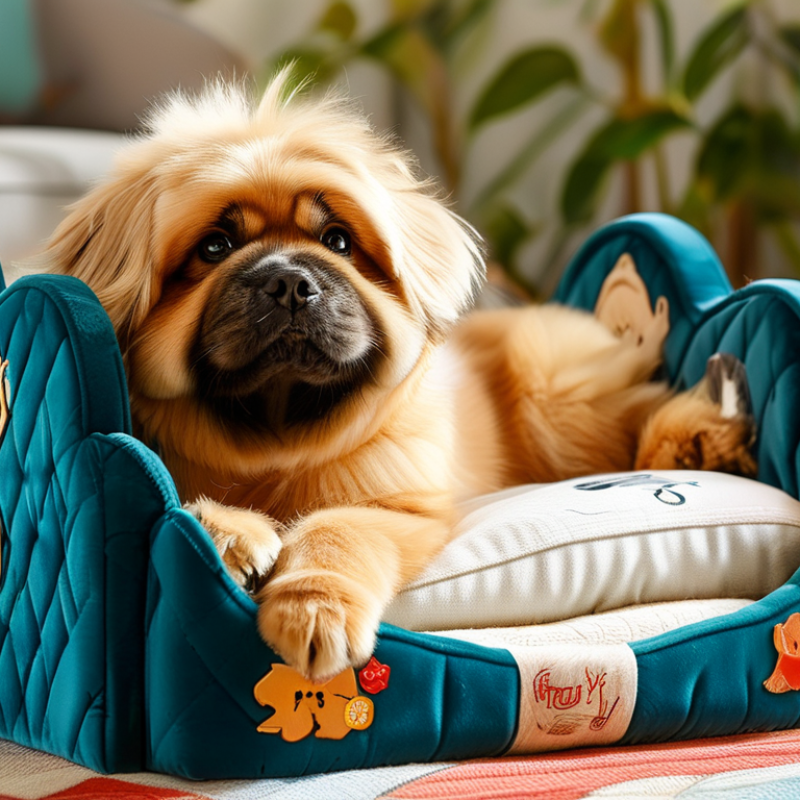
Best Materials for Pet Furniture Beds: Comfort and Durability
When choosing materials for pet furniture beds, comfort and durability should be the primary focus. Pets spend much of their time sleeping and resting, so selecting the right material can significantly impact their health and happiness. For instance, orthopedic foam offers excellent support for older pets or those with joint issues. This material contours to their body shape, helping to relieve pressure points. However, not all foams are created equal; ensure to choose high-density options for better longevity.
Another great material is breathable fabrics, such as cotton or linen. These materials promote airflow, keeping pets cool in warmer months. They also resist odors and are easy to wash. Nonetheless, some fabrics may wear down quickly with heavy use. It's essential to consider the level of activity your pet engages in. Durable fabrics like canvas may be pricier but can withstand scratching or digging.
Finally, consider waterproof liners for additional protection. Even the best materials can fall short without adequate protection against accidents or spills. Reflect on how your pet behaves; those prone to accidents may need more robust options. Balancing comfort with durability is key, and observing your pet's behavior can provide valuable insights.
Best Pet Furniture Bed Options for Global Buyers
| Material | Comfort Level | Durability | Price Range (USD) | Ideal For |
| Memory Foam | High | Medium | 100 - 250 | Elderly Pets |
| Cotton | Medium | Low | 30 - 80 | Small Breeds |
| Orthopedic Foam | Very High | High | 150 - 300 | Large Breeds |
| Canvas | Medium | High | 50 - 120 | Active Pets |
| Sherpa Fleece | High | Medium | 40 - 100 | Indoor Pets |
Top Design Trends in Pet Furniture Beds: Aesthetic and Functionality
The design trends in pet furniture beds reflect a growing focus on both aesthetics and functionality. Recent industry reports indicate that 45% of pet owners prioritize the visual appeal of pet furniture. This shift is driven by a desire for pieces that complement home decor. Clean lines and neutral color palettes are gaining popularity, making pet beds an integral part of interior design.
Functionality is equally essential. Many beds are now designed with removable, washable covers, catering to pet owners' need for easy maintenance. According to a survey, 65% of buyers stated that ease of cleaning was a critical factor in their purchasing decision. Enhanced support features, like orthopedic designs, are also on the rise. They provide additional comfort for aging pets.
Despite these trends, some challenges remain. Many pet beds still lack durability, leading to complaints about wear and tear. Additionally, the range of styles may not satisfy all customer preferences. There's a noticeable gap between aesthetic appeal and lasting quality, prompting consumers to consider more than just looks when selecting the right bed for their pets. The market continues to evolve, and the pursuit of the perfect balance between beauty and functionality is ongoing.
Choosing the Right Size for Your Pet's Bed: Tips for Global Buyers
Choosing the right size for your pet's bed is crucial. Many pet owners overlook this factor. A bed that is too small can make your pet uncomfortable. Conversely, a bed that is too large might lose its snug appeal. Ensuring a perfect fit can enhance your pet's sleeping experience.
Measure your pet carefully. Keep in mind their sleeping positions. Do they curl up, or do they stretch out? For dogs, consider the breed size. Some breeds, like Great Danes, require more space. Cats, on the other hand, often prefer tighter spots. Take these factors into account during your selection process.
Additionally, think about the material. A bed's fabric can influence its comfort. Some pets prefer soft, plush materials. Others may like a firmer support. Observe your pet's habits and preferences. This attention to detail can lead to a more satisfying choice. Remember, the goal is to create a cozy sanctuary for your furry friend.
Eco-Friendly Options for Pet Furniture Beds: Sustainable Choices Available
When selecting eco-friendly pet furniture beds, sustainability is key. Many materials offer both comfort and environmental benefits. Options like organic cotton and hemp are great for pet bedding. These materials are biodegradable and reduce the carbon footprint. Choosing beds made from recycled materials is also a step toward sustainability.
Not all eco-friendly options are perfect. Some may lack sufficient durability compared to synthetic counterparts. Users may notice wear and tear more quickly. Cheaper alternatives might sacrifice comfort for sustainability. It’s important to research the materials and construction. Look for beds that balance eco-consciousness and longevity. Pets deserve comfort, but so does our planet.
Many consumers are seeking certified products that assure environmental responsibility. Pets are family, and their bedding should reflect values of sustainability. Consider local artisans who craft handmade pet beds from sustainable sources. Supporting local businesses can also reduce shipping emissions. These choices illustrate a commitment to both pets and the planet.
Price Range Overview: Budget, Mid-Range, and Luxury Pet Bed Options
When shopping for pet beds, understanding the price range is essential. Budget options are available for as little as $20. These beds typically use basic materials, often thin foam or fabric. While affordable, they may wear out quickly. Pet owners should assess their furry friend's comfort and sleeping habits before choosing a budget bed.
Mid-range options usually fall between $50 and $150. These beds offer better durability and support. They often include memory foam or orthopedic designs for older pets. Features like removable covers make cleaning easier. It’s crucial to balance quality and affordability when selecting a mid-range bed.
Luxury pet beds can start at $200 and go well beyond. These beds focus on high-end materials and aesthetic appeal. They often come with extra features such as temperature control or designer fabrics. However, not every pet needs a luxury option. Owners should consider their pet's needs and behavior before investing. Striking a balance between comfort and budget is key.