How to Choose the Best Backyard Playground for Your Kids?
When considering the best backyard playground for your kids, expert insights can be invaluable. According to Jamie Hill, a designer specializing in outdoor play spaces, “A well-planned backyard playground nurtures creativity and encourages physical activity.” Selecting the right equipment and layout ensures that children engage with their environment safely and joyfully.
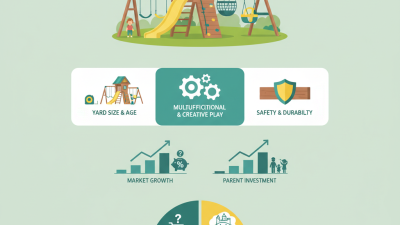
The backyard playground should blend fun and safety. It’s essential to evaluate the space available and the age of the children. Many designs can seem ideal at a glance but may lack necessary safety features or adequate supervision space. Think about materials, durability, and the potential for growth and change as your kids get older.
Moreover, parents should appreciate that tastes and preferences evolve. What excites a toddler might not interest a school-aged child. Be prepared to reassess your choices over time. Even the most well-designed playground could benefit from periodic updates and fresh ideas to enhance play value and engagement.
Understanding the Importance of Backyard Playgrounds for Child Development
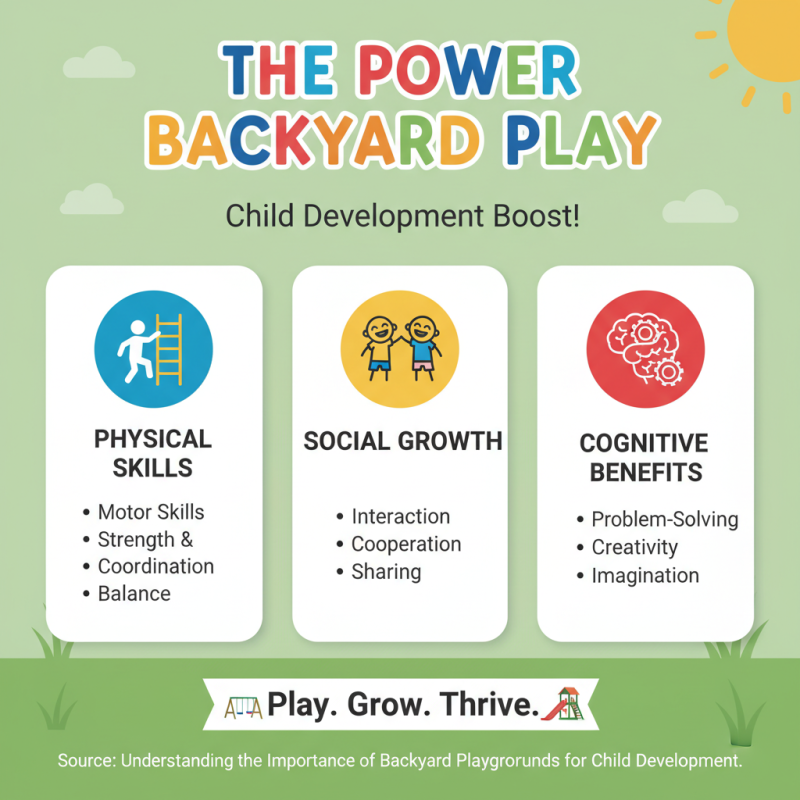
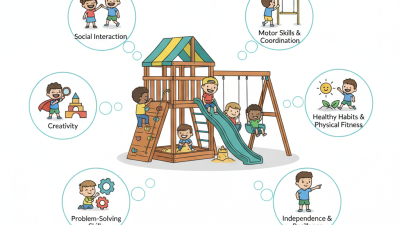
Backyard playgrounds play a crucial role in a child's development. They provide an environment for physical activity, social interaction, and cognitive growth. Children can climb, slide, and swing, developing their motor skills. These activities enhance strength, coordination, and balance. Such play is vital for healthy growth.
Moreover, these spaces encourage creativity and problem-solving. Kids invent games and negotiate rules. This fosters imagination and promotes teamwork. However, not every playground stimulates these skills equally. Some designs may limit creativity, leading to unchallenging play. It's essential to choose a versatile playground that sparks interest.
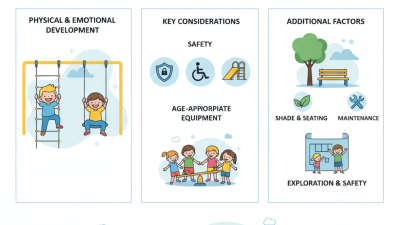
Consider safety and durability when selecting equipment. While aesthetics matter, the actual use is critical. A playground that looks great but is not safe could discourage play. Parents should think about maintenance and long-term use. Reflecting on these elements ensures a well-rounded play environment for children.
Assessing Your Space: Measuring and Planning for a Playground Setup
When setting up a backyard playground, assessing your space is crucial. Begin by measuring your yard. Use a tape measure to find the dimensions of the area you have. Note any obstacles like trees or fences. This step helps you understand how much room is available for equipment. If you have a small yard, consider compact play structures. They can fit snugly while offering fun.
Think about the layout too. Place equipment away from hard surfaces. Grass or soft ground is safest for kids. You want to avoid injuries from falls. Consider pathways for easy access. A clear path can help adults supervise playtime efficiently. Assess sunlight exposure; shaded areas are beneficial for hot days.
Once measurements are complete, reflect on your kids' interests. This can guide your choice of equipment. If they love climbing, look for a climbing frame. If they prefer sliding, a slide should be prioritized. Each choice impacts the overall play experience. Always remember to keep safety checks in mind. Your playground should invite joy and imagination while ensuring a secure environment for your children.
How to Choose the Best Backyard Playground for Your Kids?
| Playground Equipment |
Recommended Age Group |
Space Required (sq ft) |
Safety Features |
Price Range |
| Swing Set |
2-12 years |
25-50 |
Safety harness, soft landing pads |
$150 - $500 |
| Climbing Frame |
4-14 years |
30-70 |
Non-slip grips, padded edges |
$200 - $600 |
| Slide |
3-10 years |
20-40 |
Rounded edges, proper height |
$100 - $300 |
| Sandbox |
1-8 years |
15-30 |
Covered storage, low walls |
$50 - $200 |
| Playhouse |
2-10 years |
40-80 |
Ventilated, no sharp edges |
$150 - $700 |
Evaluating Different Playground Types: Swings, Slides, and Climbing Structures
When choosing a backyard playground, it’s crucial to evaluate different types. Swings are a classic favorite. They offer a sense of freedom and can enhance kids’ balance and coordination. According to a report by the American Academy of Pediatrics, swinging also promotes social interaction among children, particularly in group settings. A swing set can be an essential addition to your yard.
Slides are another essential feature. They can be thrilling for children while developing their physical skills. Research indicates that slides promote risk assessment and decision-making. Proper height and safety measures are vital. Consider age-appropriateness and supervision to prevent injuries. Not all slides are created equal; materials vary in safety and durability.
Climbing structures provide physical challenges and improve motor skills. They contribute to strength and confidence. Children learn to navigate risks and build resilience. A study from the National Association for Sport and Physical Education suggests that climbing enhances cognitive development through problem-solving and spatial awareness. Choosing the right structure depends on your yard size and the number of kids. Some designs dominate safety storage or usability but fail in creativity. Reflect on what best suits your space and children’s needs.
Evaluating Playground Types
Safety Considerations: Materials, Ground Cover, and Maintenance Practices
When choosing a backyard playground, safety is paramount. The materials used in construction can significantly impact the safety of your children. Opt for non-toxic materials like untreated wood or metal that has been properly coated. Ensure that the playground equipment is robust and can withstand daily use. Avoid cheap plastic, which may break easily and pose a risk.
Ground cover is another critical safety factor. Grass can be inviting, but it offers minimal protection when falls occur. Consider rubber mulch, engineered wood fiber, or interlocking foam tiles. These options provide better cushioning. Assess the area regularly for wear and tear, as even the safest materials can deteriorate over time.
Maintenance practices are crucial as well. Routinely inspect the equipment for sharp edges or rust. Check installed swings and slides for stability. If maintenance is neglected, a safe playground can quickly become hazardous. Regularly clean the area to remove debris that children may trip over. Remember, safety is an ongoing commitment that requires vigilance and care.
Budgeting for Your Backyard Playground: Cost Estimates and Financing Options
When budgeting for a backyard playground, consider your total spending limit. Costs can vary widely based on the type of equipment you choose. A simple swing set might cost around $200, while a complete play structure can exceed $2,000. It's essential to factor in additional costs for installation, safety materials, and maintenance.
Tips: Always get multiple quotes from local installers. This can help you identify the best deal. Also, consider buying used equipment. It often allows you to save money while still providing a safe and fun environment for your kids.
Another funding option is financing. Some retailers offer payment plans that enable you to spread the cost over several months. However, be sure to read the terms carefully. Hidden fees may arise. Furthermore, setting aside a small monthly budget for ongoing maintenance is wise. Equipment may require repairs or replacements as your children grow.
Tips: Create an account specifically for these expenses. This way, unexpected costs won't break your budget. Using this approach also teaches your kids about financial planning and responsibility.