How to Choose the Best Outdoor Playground for Your Kids?
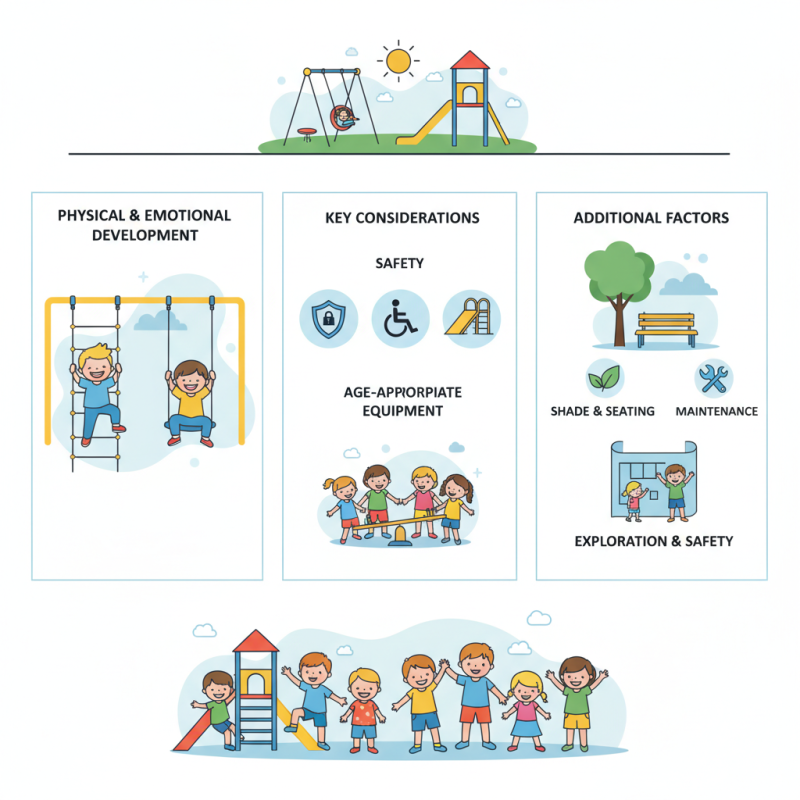
Choosing the best outdoor playground for your kids involves careful consideration. According to a recent report by the American Academy of Pediatrics, children's play is crucial for their physical and emotional development. A quality outdoor playground can enhance motor skills and social interactions among peers. A well-equipped playground encourages exercise and promotes healthy habits from an early age.
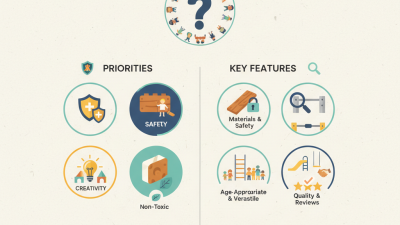
However, not all outdoor playgrounds are created equal. Factors such as safety, accessibility, and age-appropriate equipment are essential. The National Association for the Education of Young Children suggests that playgrounds should provide diverse opportunities for play. Parents should assess the materials used and check for safety certifications.
Sometimes, a beautiful playground may seem like the perfect choice but lacks essential features. Consideration for shade, seating areas, and overall maintenance is also vital. Playgrounds should invite kids to explore but remain safe. Reflecting on these elements can lead to a better choice, ultimately creating a nurturing environment for kids.
Understanding the Importance of Outdoor Play for Child Development
Outdoor play is vital for child development. It offers physical, emotional, and social benefits. Kids develop strength and coordination through climbing and running. Playing outside encourages teamwork and communication skills. These interactions help children build friendships and resolve conflicts.
Tips for choosing the best outdoor playground:
- Observe the play area.
- Look for safe surfaces like grass or soft mulch.
- Check the equipment for age appropriateness.
- It should challenge your child but remain safe.
- Consider shade and seating for caregivers.
Watching your kids play can be as rewarding as playing yourself.
Space is essential. Your playground should have enough room for various activities. Avoid crowded areas; it's easy to feel overwhelmed in a tight space. Lastly, encourage imaginative play. Seek equipment that promotes creativity, like swings or slides. Your kids need a chance to explore and invent their own fun.
Identifying Your Space and Budget for an Outdoor Playground
When considering an outdoor playground for your kids, the first step is to assess your space. How large is your backyard or park area? Measure the dimensions carefully. A playground should fit comfortably without overwhelming the space. Think about shade and sunlight too. Some areas may get too hot. Ensuring enough room for kids to run around is crucial.
Next, let's talk about the budget. It’s essential to determine how much you can spend. Explore local options and materials. Not all playgrounds need to be expensive. Look for durable materials that fit your financial plan. Remember, safety should never be compromised. Sometimes a higher initial cost means better quality in the long run.
Consider the long-term implications of your choices. Can the playground adapt as your kids grow? If you invest in larger equipment now, will it still be appealing in a few years? Reflect on your family's needs. Balancing desires with practical limitations can be tricky but is necessary for a fulfilling play area.
Evaluating Safety Features and Material Quality
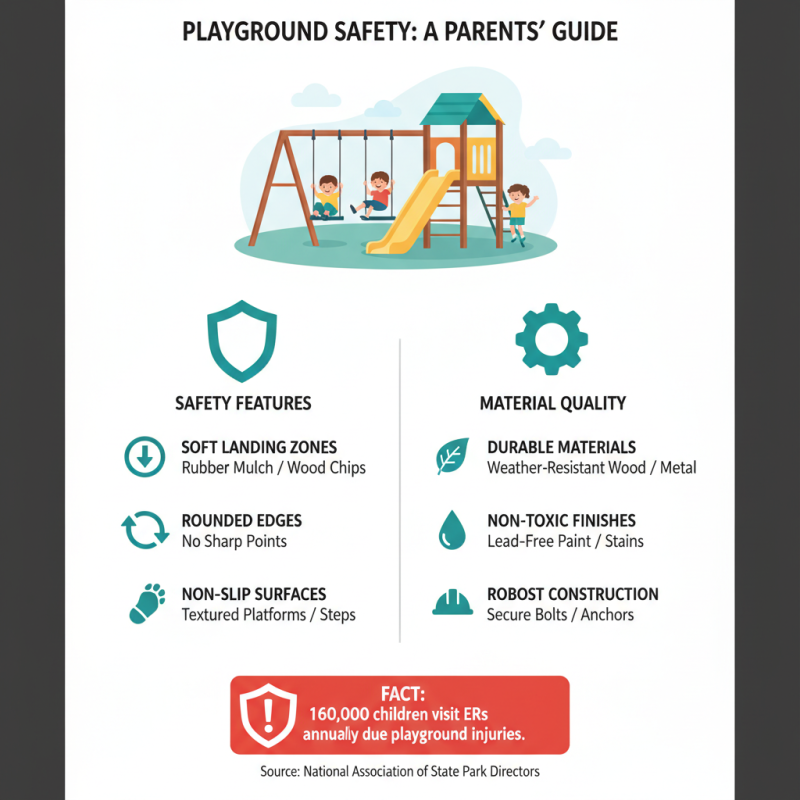
When evaluating outdoor playgrounds, safety features and material quality are paramount. According to a report by the National Association of State Park Directors, about 160,000 children visit emergency rooms annually due to playground-related injuries. Therefore, assessing the safety of play equipment is crucial. Look for playgrounds with rounded edges and non-slip surfaces. Features like soft landing zones or rubber mulch can significantly reduce injury risks.
Material quality is equally important. Playgrounds made from high-density polyethylene (HDPE) resist fading and cracking, providing a longer lifespan. Wood can offer an aesthetic appeal but may splinter. A study by the American Society for Testing and Materials (ASTM) suggests that metal structures must be galvanized to prevent rust. Poor-quality materials can lead to costly repairs or even early replacements. Being mindful of material durability can save money in the long run.
Consider some trends and statistics. Reports show that over 75% of parents ignore safety ratings while choosing playgrounds. This oversight can lead to dire consequences. Parents should thoroughly inspect equipment and ensure it meets safety standards, such as those outlined by ASTM or the Consumer Product Safety Commission (CPSC). Assessing safety features and material quality is not just about compliance; it's about nurturing a fun yet safe environment for children.
Choosing Engaging and Age-Appropriate Equipment
When selecting outdoor playground equipment, age-appropriate options matter greatly.
Young children need safety features and soft landings. Slides should be low and gentle for toddlers.
Swings should have safety belts. Choose equipment that encourages exploration and imagination.
Bright colors can attract children's attention.
For older kids, consider climbing structures that challenge their skills. They seek adventure and excitement.
However, ensure equipment is safe and sturdy. Installations should be
age-segregated to prevent accidents. It’s easy to overlook the importance of supervision during play.
Parents should be nearby, ready to step in if necessary.
Reflect on the environment and natural elements. Incorporating trees or hills can enhance play.
But, watch out for uneven surfaces. They may seem attractive but pose risks.
Ensure there’s enough space for running and games. Choosing the right equipment can promote healthy activity and
social skills. Pay attention to your children's interests and adjust accordingly.
Incorporating Inclusive Play Options for All Children
When selecting an outdoor playground, consider inclusive play options. These features allow children of all abilities to engage and have fun. Ramps, wide spaces, and adaptive swings are key elements. They help create a welcoming environment for everyone. A design that includes sensory activities can be very beneficial. For example, tactile panels or musical instruments can stimulate creativity and interaction.
Accessibility matters. Play structures should be reachable for wheelchair users. Paths must be smooth and clear, which makes navigating easier. Think about sightlines; open spaces allow caregivers to supervise children easily. Some playgrounds may not meet these needs, highlighting room for improvement in design choices. These reflections can guide future projects.
Ultimately, the goal is to foster social interaction among diverse groups. Children should feel included and capable. Involving the community can lead to better solutions. Every child deserves a chance to play together, discover, and grow.
How to Choose the Best Outdoor Playground for Your Kids? - Incorporating Inclusive Play Options for All Children
| Playground Feature |
Importance |
Inclusion Level |
Recommended Age Group |
| Accessible Swing Sets |
Allows children with mobility challenges to enjoy swinging. |
High |
2-12 years |
| Sensory Play Areas |
Provides stimulation through textures, sounds, and colors. |
High |
All ages |
| Wide Slides |
Accommodates children with different abilities and body sizes. |
Medium |
5-12 years |
| Adaptive Climbing Structures |
Encourages kids to engage physically and socially. |
High |
5-15 years |
| Ground Level Play Stations |
Ensures accessibility for all children, including those in wheelchairs. |
High |
1-10 years |