
Choosing the right Travel Mug can influence more than morning convenience. It can affect productivity, customer perception, and long-term operating costs. A reliable mug should survive crowded commutes, office desks, and repeated washing without losing performance.
Terence Reilly, former president of Stanley, once said, “A product earns trust when it works every day.” That principle matters for business buyers. A mug may look impressive in a product photograph. Yet weak seals, uncomfortable handles, or poor heat retention can quickly create complaints. The best option should match the company’s real routines, not only its branding goals.
This guide examines the details that deserve careful attention. Capacity matters during long meetings. Leak resistance matters inside laptop bags. Stainless steel construction can support repeated use and reduce disposable cup consumption. A comfortable lid may also encourage employees to carry the mug more often. Small details become daily habits.
Budget remains important, but the cheapest choice is not always economical. Replacement costs can quietly exceed the original savings. I have also found that “dishwasher safe” does not always mean effortless cleaning. Some lids still trap coffee residue around silicone rings. That detail is easy to overlook.
The ideal Travel Mug balances durability, insulation, safety, appearance, and user comfort. It may not be perfect. However, it should perform consistently where your business needs it most.
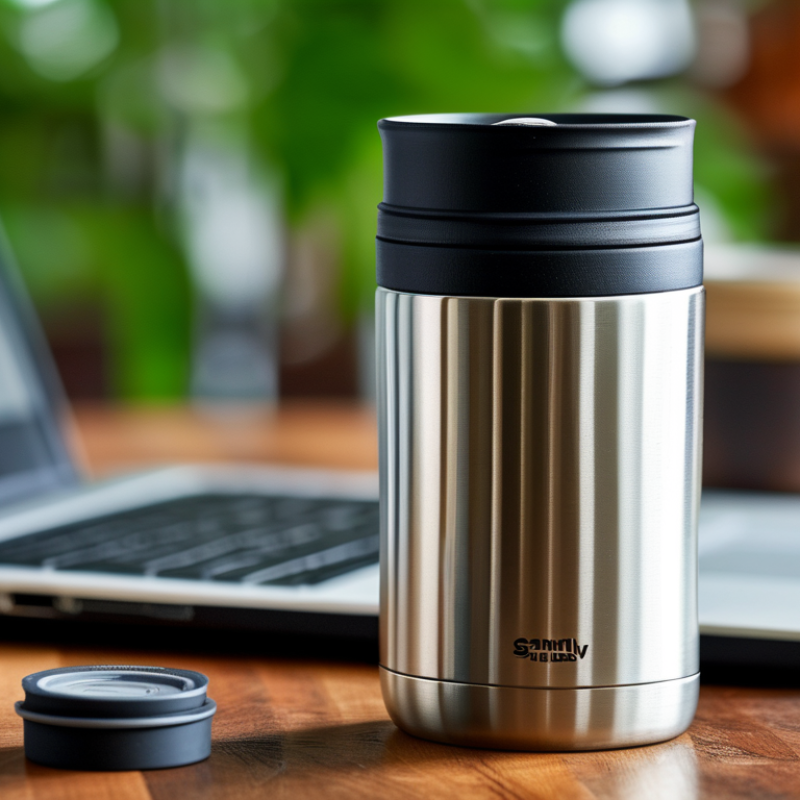
Choosing the best travel mug for business starts with your actual travel routine. Start with your routine. Do you commute by train, drive between client meetings, or work from temporary offices? A mug for a two-hour commute may not suit a full day of appointments. Note where you drink, how often you refill, and whether you carry the mug beside documents or electronics.
Capacity should match your schedule, not your assumptions. A 350-milliliter mug may fit a small bag and still provide one strong coffee. Longer travel may require more volume, but a larger mug can become heavy and awkward. I once selected a tall mug that fit the cup holder but blocked the car’s controls. That mistake changed how I assess shape. Measure first. Check the lid, base diameter, and total height before purchasing.
Business use also requires dependable materials and easy cleaning. Look for a secure seal, a comfortable grip, and insulation suited to your drinking pace. Stainless steel can resist daily wear, while a smooth interior may simplify washing between meetings. Avoid complicated parts if you rarely have time to clean them properly. A leak-resistant lid matters when your laptop is nearby. Test the opening with one hand if you often walk while carrying files. Review manufacturer care instructions, because poor cleaning can affect performance and taste. Your ideal mug may not look impressive; it should quietly match your workday.
Define your business travel mug needs by prioritizing the features that support reliable use during commuting, meetings, flights, and client visits.
The planning scores use a practical 1–10 scale. Leak protection, heat retention, and easy cleaning receive the highest priorities because they directly affect reliability, productivity, and presentation during business travel. Capacity and portability help balance drink volume with luggage and cup-holder limitations.
A business travel mug must survive commutes, meetings, and hurried refills. Material affects taste, weight, cleaning, and long-term reliability. Stainless steel resists dents and performs well in busy office kitchens. It can retain coffee odors if neglected. Ceramic offers a cleaner taste, but it is heavier and more fragile. Plastic is light and affordable, yet scratches may trap residue over time. Choose a food-contact material with clear safety information from a trustworthy manufacturer.
Insulation controls temperature, comfort, and spill risk during a working day. Double-wall vacuum construction usually keeps drinks hot or cold longer than single-wall cups. However, performance depends on lid design, fill level, and how often the mug opens. A narrow opening reduces heat loss. It may be harder to wash. Check whether the lid seals firmly and separates for cleaning. A mug that stays warm but leaks in a laptop bag is not practical.
Durability often depends on the weakest part, such as the hinge, gasket, or coating. Look for replaceable seals, sturdy threads, and a base that grips a smooth desk. Test the handle with one hand. Does it feel balanced when full? I once chose a lighter mug, but its thin lid warped after repeated dishwasher cycles. That experience changed my selection criteria. Care instructions matter as much as construction. Hand washing may protect finishes, while some mugs tolerate controlled dishwasher use. For bulk purchasing, compare warranty terms, cleaning needs, and replacement-part availability.
Choosing the best travel mug for your business starts with size. A 12- to 16-ounce mug usually fits office routines, car holders, and short meetings. Larger mugs hold more coffee, but they may become heavy and awkward during travel. Measure your bag pocket and vehicle holder before buying. I once chose a tall mug that looked practical, yet it tipped easily beside my laptop.
Design affects professional use. Look for a secure lid, a comfortable grip, and a shape that stands steadily on a desk. Double-wall insulation can keep drinks warm while reducing outside condensation. Stainless steel often feels durable, but it may add weight. A wide opening makes cleaning easier, although it can spill more when walking. Check whether every part can be washed thoroughly; hidden seals may collect residue.
Tips: Test the lid with water before a busy day. Carry it in your hand for ten minutes. Notice pressure points and balance. Choose a simple color if the mug will appear in client meetings. I prefer removable seals, but they are easy to misplace. That small detail deserves more attention than expected. Daily usability matters more than impressive specifications. A mug should open smoothly, fit your routine, and survive repeated washing without becoming annoying.
How to Choose the Best Travel Mug for Your Business?
A business travel mug should protect people before it promotes convenience. Choose food-contact-safe materials and a lid with a dependable seal. Check that the grip stays comfortable when the mug holds hot coffee. A narrow base can tip beside a laptop. Avoid mugs with hidden seams, loose hinges, or strong chemical odors. These details often reveal weak quality control. No mug is perfect.
Tips: Fill it with water, close the lid, and shake it over a sink. Test the lock twice. Read the care instructions before buying. Some lids need hand washing, even when the cup is dishwasher-safe. Remove silicone seals regularly, then clean beneath them with a soft brush. Dried milk can hide there. Let every part dry fully before reassembly. I once underestimated this step, and the smell returned within days.
Sustainability depends on daily use, not attractive claims. Select a durable mug with replaceable seals or a repairable lid. A reusable design helps reduce disposable cup waste, but only if employees actually carry it. Choose a practical size, since oversized mugs may remain unused in desk drawers. Materials also matter, yet manufacturing and shipping affect the full footprint. Ask suppliers for clear information about recycled content, packaging, and end-of-life handling. Be cautious with vague “eco-friendly” language. A cheaper mug replaced every few months may create more waste than one maintained for years.
| Mug Type | Typical Capacity | Typical Hot-Drink Heat Retention* | Safety Considerations | Maintenance Requirements | Leak and Spill Control | Sustainability Profile | Best Business Use |
|---|---|---|---|---|---|---|---|
| Double-Wall Vacuum Stainless Steel | 350–600 ml | Approximately 6–12 hours, depending on design and filling conditions | Choose food-contact-grade stainless steel; check that the lid, gasket, and coatings are suitable for hot beverages and free from intentionally added BPA | Disassemble the lid and wash the gasket regularly; remove coffee oils with mild detergent; dry fully to prevent odors | Usually the strongest option when fitted with a lockable, replaceable seal; test upside down before workplace distribution | Long service life and widely recyclable stainless-steel body; mixed-material lids and silicone seals may need separate disposal | Daily commuting, field work, company gifts, and long meetings |
| Double-Wall Glass | 300–500 ml | Approximately 2–4 hours | Use heat-resistant borosilicate glass where specified; inspect for chips, cracks, or thermal shock damage before use | Generally easy to clean and less likely to retain flavors; remove silicone sleeves and wash the lid separately | Often splash-resistant rather than fully leakproof; confirm the lid design and transport position | Glass can be recycled in suitable systems, but sleeves, lids, and breakage reduce recovery; shorter life is possible if dropped | Office desks, client meetings, and users who prefer a neutral-tasting vessel |
| Ceramic Travel Mug | 300–450 ml | Approximately 1–3 hours | Check that the glaze is intended for food contact and that the mug has no cracks, exposed substrate, or damaged coating | Usually dishwasher-friendly if the product instructions allow it; inspect the lid and silicone components separately | Most models are not suitable for carrying in a bag unless the lid has a verified leak-resistant seal | Durable when handled carefully, but breakage and composite construction can limit end-of-life recycling | Stationary office use, hospitality areas, and short-distance transport |
| Reusable Plastic Travel Mug | 350–700 ml | Approximately 1–4 hours, usually less than insulated stainless steel | Select a product designed for hot liquids; avoid visibly degraded, scratched, warped, or heat-damaged parts and confirm the intended temperature range | Lightweight and often dishwasher-friendly; plastic can retain odors, so prompt cleaning is important | Performance varies widely; choose a lid with a positive closure, silicone gasket, and clear cleaning access | Low weight reduces transport impact, but recycling depends on resin type and local collection; longer reuse is more important than one-time use | Large-volume employee programs, events, and budget-sensitive purchasing |
| Collapsible Silicone Cup | 250–500 ml | Approximately 1–2 hours | Use food-contact-grade silicone and verify the temperature limit; do not use damaged, sticky, or torn components | Clean folds and seams carefully; dry completely while expanded to reduce moisture and odor buildup | Often suitable for short transport, but flexible bodies may be less secure in bags; confirm spill resistance before deployment | Compact storage can reduce space requirements; recycling options for silicone and mixed components are limited in many regions | Travel kits, conferences, emergency workplace storage, and occasional use |
Choosing a travel mug for business use starts with the total cost, not the unit price. A low-cost mug may require thicker packaging, higher replacement rates, or extra inspection. I have made this mistake before. The invoice looked attractive, but several lids leaked during delivery.
PPAI’s 2023 Consumer Study found that 82% of consumers consider product quality important when evaluating promotional merchandise. That finding matters for branded drinkware. A scratched logo or weak handle can quietly damage a company’s image. Request pre-production samples and test them with hot and cold drinks. Check lid seals, coating durability, print alignment, and cleaning instructions. Small details become expensive across 500 or 5,000 units.
Branding should also fit the buying context. A subtle, one-color mark may cost less than full-wrap printing and look more professional in offices. However, premium events may justify a larger imprint and better insulation. ASI’s Ad Impressions Study reported that promotional products generate thousands of impressions during their usable life, while many recipients keep them for more than a year. Ask whether the mug will be used daily or handed out once. Bulk purchasing can reduce freight and decoration costs, but excessive inventory ties up cash. Order quantities should match realistic attendance, replacement needs, and storage space. Do not ignore leftovers. They are part of the budget.