How to Create the Perfect Backyard Play Space for Kids?
Creating the perfect backyard play space for kids is essential for their development. According to a 2021 report from the American Academy of Pediatrics, children need ample outdoor play opportunities. This space not only encourages physical activity but also fosters creativity and social skills.
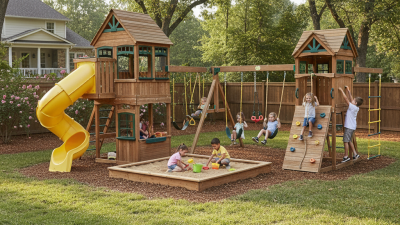
A backyard play area can be tailored to various age groups and interests. Features like swings, slides, and climbing structures can ignite a child's imagination. However, the design must be safe and suitable for children. A simple fence can help prevent accidents. Yet, sometimes, parents overlook the importance of proper supervision and risk management during playtime.
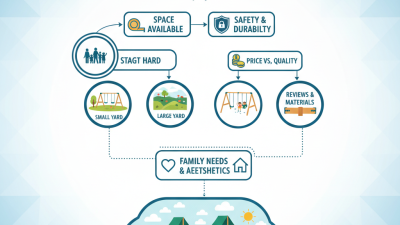
Parents face challenges when designing these spaces. Budget constraints, limited space, or time can hinder their plans. Reflecting on these challenges, it's crucial to prioritize essential elements. A few key pieces can transform a simple backyard into a vibrant play area. With thoughtful planning, you can create a backyard play environment that brings joy and keeps your children engaged.
Choosing the Right Location for Your Backyard Play Space
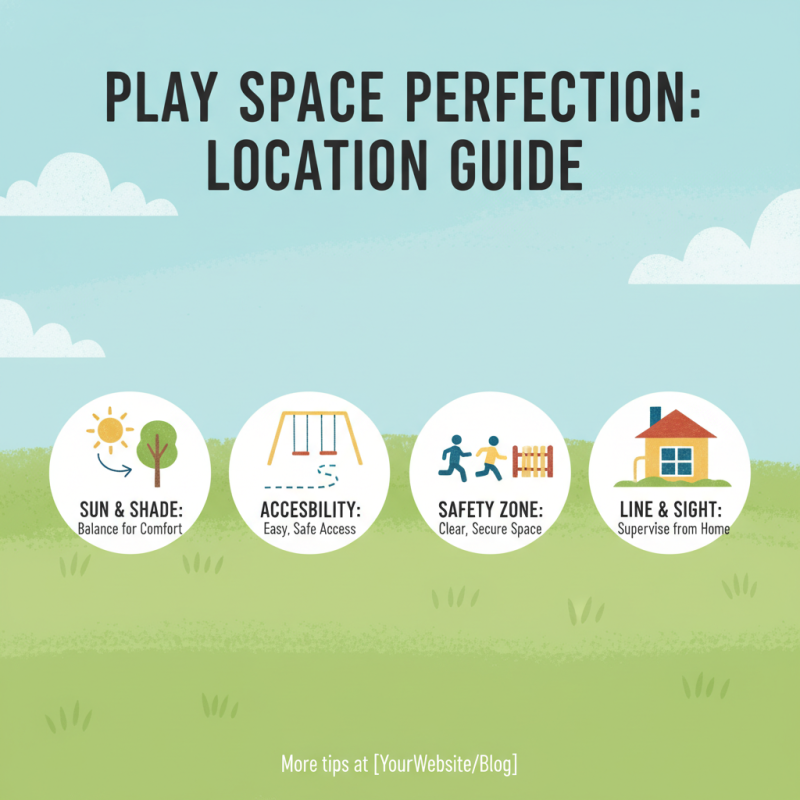
Choosing the right location for your backyard play space is crucial. Think about sunlight, shade, and accessibility. Kids need a safe area to run and explore. Consider placing the play area near a view from your house. This helps in supervising them easily.
Look for flat ground when selecting the location. Uneven or sloped areas can lead to falls and injuries. Remove any sharp objects or debris. Planting soft grass can cushion falls, but it needs maintenance. Try to keep the area blocked from wind. On windy days, outdoor play can become uncomfortable for kids.
Evaluate the proximity to other backyard features. If it's too far from the kitchen or restroom, kids may hesitate to play outside. Allow them easy access without straying too far. However, ensure the space is not too close to hazards like pools or fences. Too much noise from surrounding areas can also be distracting. Balancing all these factors can take time and adjustments. It’s a process of trial and error.
Selecting Safe and Child-Friendly Play Equipment
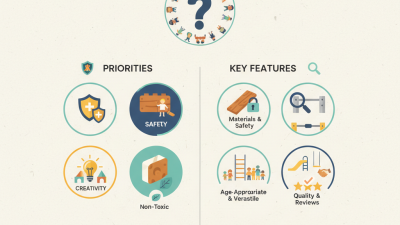
Creating a safe play space for kids is crucial. Selecting the right play equipment can help avoid injuries and promote healthy development. The American Academy of Pediatrics suggests that play equipment should be designed with safety in mind. It should also be age-appropriate, catering to different developmental stages.
When choosing equipment, consider durability and safety certifications. For instance, a study highlighted that poorly maintained playgrounds lead to 75% of playground-related injuries. Soft surfaces, like mulch or rubber mats, can reduce fall risks. Parents should also think about size. Swings are popular but can pose dangers if too high.
It’s essential to understand that not all equipment is created equal. Regular inspections are necessary to ensure safety over time. One report indicated that over 60% of parents do not check their equipment regularly. This neglect can lead to serious accidents. Involve your kids when planning their play space. Let their preferences guide equipment choices. Creating a balance between safety and fun is key.
Incorporating Natural Elements and Landscaping
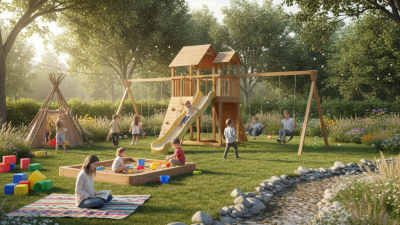
Creating a backyard play space for kids can be a rewarding challenge. Incorporating natural elements, such as trees and shrubs, makes the area more inviting. Consider planting colorful flowers. They attract butterflies and add beauty. But don’t rush; plan where each plant will go. This prevents overcrowding.
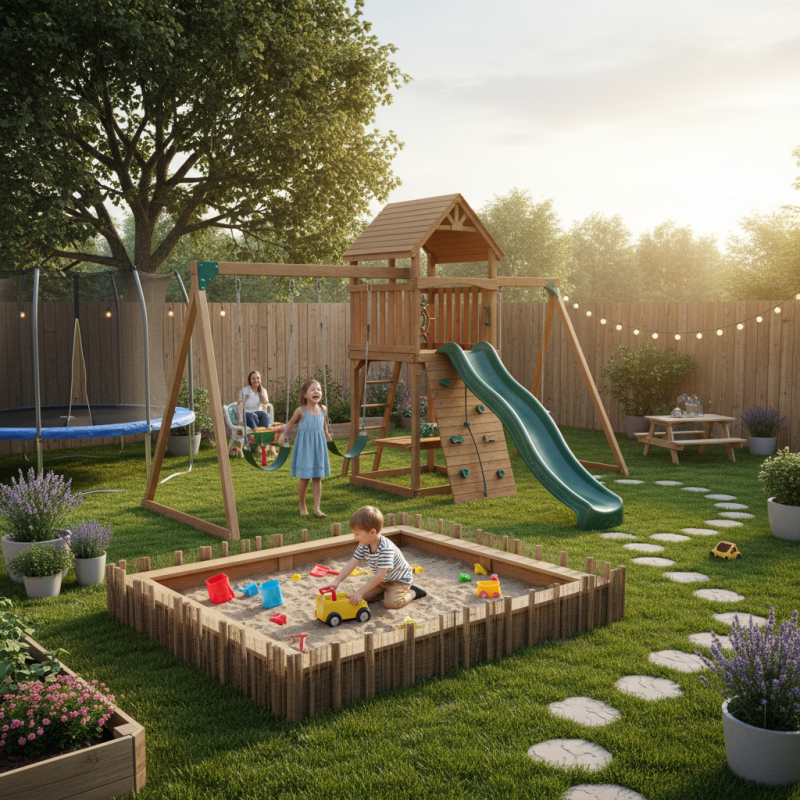
Adding features like a small sand pit can enhance playtime. Surround it with stones to define the space. Natural wood logs can serve as seating or balance beams. However, ensure these are safe and sturdy. Weather can wear down certain elements, so regular check-ups are essential.
Consider pathways made from gravel or mulch. They guide children safely while exploring. Natural textures spark curiosity and imagination. But remember, not every idea will work. Reflect on what your kids enjoy most. Adjust the space as they grow. Embrace the process, even if it feels imperfect. Nature is about growth and change.
How to Create the Perfect Backyard Play Space for Kids? - Incorporating Natural Elements and Landscaping
| Element |
Description |
Benefits |
Recommended Age Group |
| Sandpit |
A designated area filled with sand for digging and playing. |
Enhances creativity and sensory exploration. |
2-8 years |
| Natural Climbing Structures |
Using logs, boulders, or trees to create climbing areas. |
Develops physical strength and problem-solving skills. |
3-12 years |
| Water Feature |
A small pond or water play area. |
Encourages imaginative play and provides sensory stimulation. |
2-10 years |
| Gardening Patch |
A small area designated for children to plant and tend to plants. |
Teaches responsibility and the basics of nature. |
5-12 years |
| Nature Trail |
A winding path through natural landscaping. |
Promotes physical activity and exploration of the outdoors. |
All ages |
Designing Zones for Different Activities and Age Groups
Creating distinct zones in your backyard for various activities benefits kids of all ages. Start with a play zone for toddlers. This area can include a sandbox and a small slide. A soft surface, like mulch or grass, adds safety and comfort. Remember to keep sharp edges away.
For older children, design a space suitable for sports and games. A small area for basketball or soccer encourages physical activity. Consider portable goals. These allow for flexibility in play. Make sure there’s enough space to run and move freely. However, be wary of overcrowding; it may lead to accidents or injuries.
Introduce a quiet zone as well, where kids can sit and read. This can be a cozy corner with bean bags or a small tent. Incorporate plants for shade and tranquility. Reflect on the balance between play and relaxation. Too much stimulation can overwhelm some children.
Aim for harmony in your design, allowing each zone to serve its purpose without chaos.
Adding Personal Touches and Customization for Fun
Creating a backyard play space is not just about installing equipment. It's about integrating personal touches that reflect your child's interests. Customization can transform an ordinary area into a vibrant playground. According to a report by the American Academy of Pediatrics, play environments can significantly influence children's development. Unique installations can encourage creativity and improve physical skills.
Consider adding a theme based on your child's favorite story or activity. A pirate ship made of wood could spark their imagination. Meanwhile, an art corner with easy-to-clean surfaces can promote creativity. A survey from the National Recreation and Park Association shows that 52% of children feel more engaged in play areas that reflect their personalities. However, don’t forget to balance creativity with safety. It's essential to continuously evaluate the environment to prevent hazards.
You might face challenges in personalizing the space. Sometimes, what seems fun may not be safe. Rethink structures like swings or climbing walls that don’t meet safety standards. Can they withstand the test of time and use? Always prioritize durability and safety over trendy designs. In doing so, you create both a fun and secure play area for your kids.