10 Essential Tips for Choosing the Perfect Outdoor Play Sets for Kids
Choosing the right outdoor play sets for kids can be a daunting task. Experts emphasize the importance of safety and durability. Jamie Miller, a renowned expert in outdoor playground design, states, "Quality outdoor play sets can transform a backyard into a child's adventure zone." This highlights the essential role these sets play in childhood experiences.
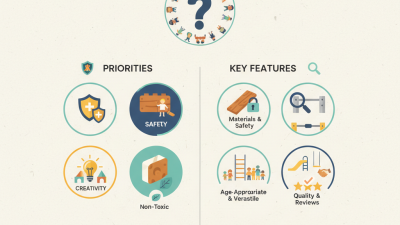
When selecting outdoor play sets, consider your child’s interests and age. Look for features that inspire creativity, like slides and climbing walls. It's vital to select materials that withstand weather conditions, ensuring longevity. Not all sets are created equal, and some may disappoint. Investigating brand reputations and customer feedback is crucial.
Balancing fun and safety is not always straightforward. Some sets may seem appealing but lack safety features. Parents often overlook installation requirements, which can lead to frustration. Investing time to research can uncover hidden gems or potential pitfalls. Ultimately, the right outdoor play sets can make a significant difference in a child's development and joy.
Understanding Different Types of Outdoor Play Sets for Kids
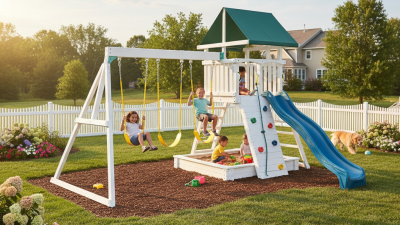
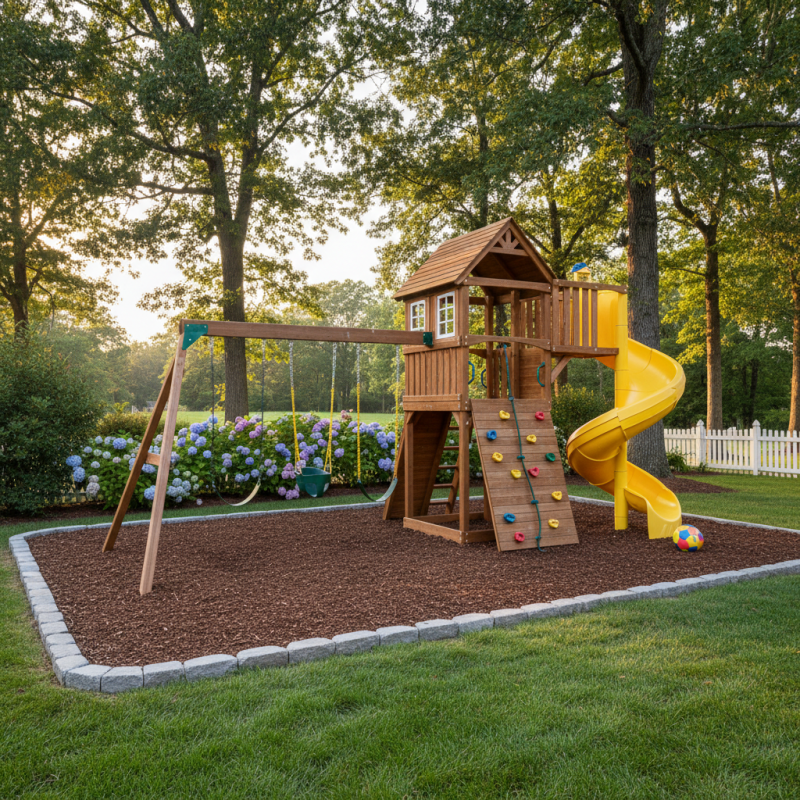
When selecting outdoor play sets for kids, understanding the various types is crucial. There are swings, slides, climbing structures, and even multifunctional units. Swings provide motion and joy, while slides can be thrilling. Consider how much space you have available. Some sets may appear perfect but might not fit your yard.
Climbing structures offer kids physical challenges. They build strength and confidence. However, not every child likes climbing. Some may prefer simpler setups with minimal elements. It’s important to reflect on your child’s preferences. Look for features that promote creativity and play. A playhouse can spark imagination, while a sandbox invites tactile exploration.
Purchasing a play set is a significant investment. Safety should be a priority. Check for sturdy materials and proper assembly. Ask yourself if the set supports your child’s growth. It’s fine to change your mind or start over if it doesn’t seem suitable. Ultimately, the right choice should foster fun and keep children engaged outside.
Assessing Space Requirements for Your Outdoor Play Set
When considering an outdoor play set, space is a critical factor. Measure your yard carefully before making a decision. A play set needs a clear area to ensure safety. Leave room for children to run and play freely. This can be tricky if your yard is small or oddly shaped. Think about how the set will fit into your landscape. Visualizing it in your mind can help, but sketching is even better.
Different styles of play sets require various amounts of space. Swings and slides often need larger areas. Check if there are trees or fences that might obstruct the play set. Children should have enough space to enjoy their activities. A crowded yard can lead to accidents. It’s essential to create a safe play environment. Watching how kids interact in limited space can reveal the challenges of overcrowding. Adjust your plans accordingly before you commit.
Incorporate natural features into your layout. Sometimes, existing bushes or trees can enhance the play area. These features can create unique play scenarios, but they also need to be considered in your spacing. Ensure there is sufficient room for children to enjoy both the play set and the natural elements. Reflect on your design as you go. It’s okay to change your mind along the way. Getting the layout just right may take time.
Essential Tips for Choosing the Perfect Outdoor Play Sets for Kids
Prioritizing Safety Features in Play Set Design
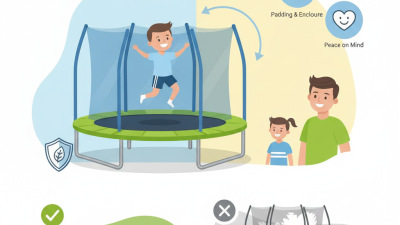
When selecting outdoor play sets, prioritizing safety features is crucial. Look for equipment made from sturdy, non-toxic materials. The frame should be robust and weather-resistant to withstand years of use. Sharp edges and protruding bolts can pose risks. Always check for rounded corners and smooth finishes to prevent scrapes and cuts.
Consider the design of the play set as well. A stable base is essential for safety. Look for wide footings that anchor the structure securely to the ground. Additionally, soft surfaces like rubber mats or grass are ideal for cushioning falls. Inspect climbing elements, ensuring they have proper grips to prevent slipping.
Keep in mind that not all play sets are created equal. Some may look attractive but lack essential safety features. Be wary of overly complex designs that may overwhelm young children. Simple, accessible structures encourage safe play. Regular maintenance is necessary too. Inspect the equipment frequently for wear and tear. Don’t overlook the importance of proper installation. A well-placed set can greatly enhance safety.
Evaluating Material Durability and Weather Resistance
When selecting outdoor play sets for kids, material durability and weather resistance are crucial. Wooden sets can be beautiful and sturdy. However, they require regular maintenance to prevent rot and splinters. Look for treated wood that can withstand rain and sun. It’s not just about the look; it needs to endure rough play and harsh weather.
Metal structures often offer higher durability. They resist rust and can withstand various weather conditions. However, they can get hot in direct sunlight. This can be an issue during summer play. Families should consider the placement of metal play sets and how they will react to the weather.
Plastic play sets are lightweight and easy to move. Yet, they may fade with time. They’re also prone to wear if not designed for outdoor use. Regular check-ups can help identify signs of damage. It’s essential to balance durability and safety when making your choice. Kids’ joy shouldn’t come at the cost of their safety or fun.
10 Essential Tips for Choosing the Perfect Outdoor Play Sets for Kids - Evaluating Material Durability and Weather Resistance
| Material |
Durability Rating |
Weather Resistance |
Maintenance Required |
Lifespan (Years) |
| Wood (Treated) |
High |
Good |
Annual sealing |
10-15 |
| Metal (Powder-Coated) |
Very High |
Excellent |
Minimal |
15-20 |
| Plastic (HDPE) |
Moderate |
Good |
Occasional cleaning |
5-10 |
| Composite Materials |
High |
Very Good |
Low |
10-20 |
Budgeting Wisely for Your Ideal Outdoor Play Set
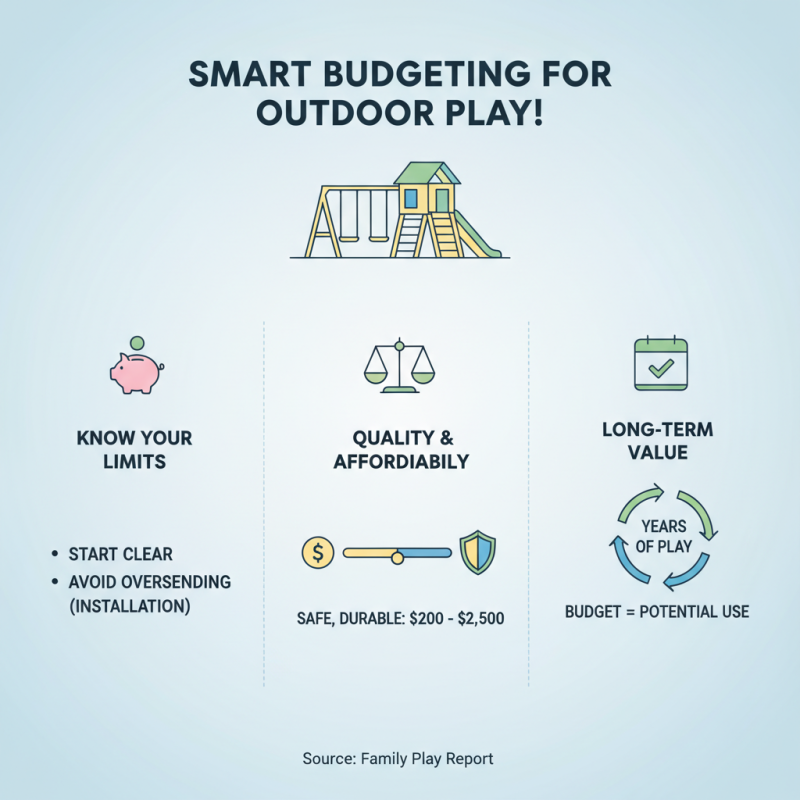
When budgeting for outdoor play sets, start with a clear understanding of your limits. Reports show that families often overspend on playground equipment, not accounting for installation costs. Choosing wisely requires a balance between quality and affordability. A safe, durable play set may cost between $200 and $2,500. Your budget should reflect the potential use over the years.
Consider the type of materials used. Wooden sets tend to be more expensive but provide longevity. Steel sets may be cheaper upfront but can rust over time. Factor in maintenance costs too. Regular upkeep can add $50 to $300 annually. Think about how much time and effort you can dedicate to maintenance.
Tip: Set priorities based on your child's interests. If they love climbing, invest more in climbing frames. Also, look for versatile sets that offer multiple play options. This adaptability will extend the useful life of the play set. Aim to strike a balance between your budget and your child’s enjoyment. Remember, the perfect playset is one that fits your financial situation while keeping your kids engaged.