How to Choose the Best Basketball Trampolines?

Choosing the right basketball trampolines is not simply about jumping height or bright colors. It involves structure, rebound control, safety, and everyday usability. A well-designed model should feel stable under repeated movement, even when players land slightly off-center. Look closely at the frame, spring system, enclosure, backboard, and basketball rim before comparing prices.

Dr. Keith Alexander, inventor of Springfree Trampoline, has stated, “Safety should be built into the trampoline, not added afterward.” This principle matters when selecting basketball trampolines for homes, training centers, or recreational spaces. A safer design usually includes padded edges, strong netting, a flexible rim, and a surface that supports balanced landings. Small details can prevent large problems.

Measure the available area first. Leave clear space around the trampoline, especially near walls, fences, and low branches. Check the recommended user weight and inspect the stitching before purchase. Some products advertise powerful bouncing, but excessive rebound may reduce control for younger players. That is easy to overlook.

Consider how the trampoline will be used. Casual shooting needs different features from serious jump training. A weather-resistant frame may suit outdoor use, while a compact model may work better indoors. Reviews can help, but they are not perfect evidence. Try to compare warranty terms, replacement parts, safety certifications, and maintenance guidance. The best choice balances fun, control, durability, and realistic user needs.
How to Choose the Best Basketball Trampolines?

Define Your Basketball Trampoline Needs and Intended Playing Environment

How to Choose the Best Basketball Trampolines?

Define your basketball trampoline needs before comparing equipment. In the United States, 29.7 million people played basketball in 2023, according to SFIA’s 2024 Topline Participation Report. That figure includes casual players, families, and serious athletes. Their equipment needs are different. A child practicing light shots needs less rebound intensity than an adult training repeated jumps. Decide the user’s age, skill level, session length, and preferred shooting height. Measure twice.

The playing environment matters just as much. For indoor use, check ceiling clearance, flooring, ventilation, and noise tolerance. A low ceiling can turn a comfortable jump into a dangerous head strike. Outdoor users should assess drainage, wind exposure, sunlight, and surface stability. Grass may look soft, but uneven ground can twist the frame. Weather changes everything. I once underestimated wind near an open yard; that assumption was poor planning. A sheltered, level surface is usually more reliable.

Safety data deserves attention before performance features. The U.S. Consumer Product Safety Commission estimated 104,691 trampoline-related emergency-department injuries in 2014. This older figure is not a current annual count, but it shows why landing control matters. Look for stable frames, resilient padding, secure enclosure components, and clear weight limits. ASTM F381-22 provides a useful consumer-trampoline safety benchmark, although compliance should be verified for the exact product. If several people may play together, choose equipment designed for that use rather than trusting marketing language.

Compare Trampoline Types, Sizes, Shapes, and Basketball Features

Choosing a basketball trampoline starts with matching the design to the player and available space. Round trampolines encourage a centered bounce, which suits younger beginners. Rectangular models provide more directional lift for drills and controlled movement. Square frames can balance stability and footprint, but their corner space may feel less forgiving. Measure twice. A crowded yard quickly becomes difficult to use safely.

Size affects both bounce quality and basketball practice. A compact model works for one child and basic shooting, while larger frames allow safer movement and missed landings. Leave a clear zone around the enclosure, especially near fences, trees, and hard surfaces. Check the weight limit carefully. It is easy to underestimate combined user weight during family play.

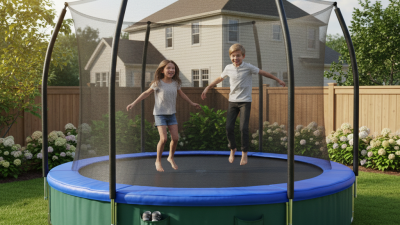
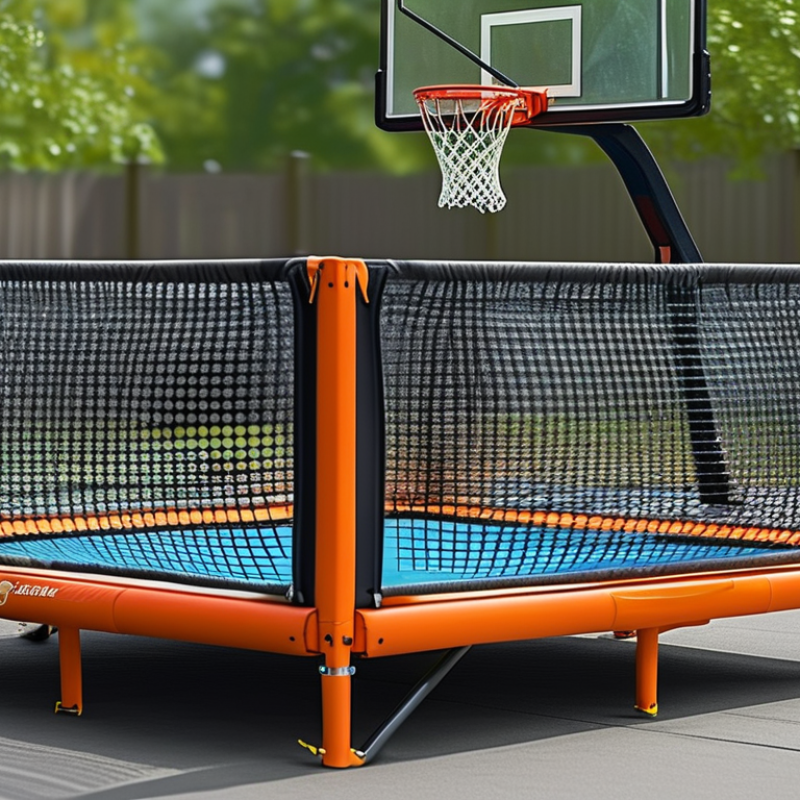
Basketball features should support control, not just appearance. Look for a padded hoop, flexible rim, secure backboard, and adjustable height. A strong safety net should connect tightly around the jumping surface, with covered springs and padded poles. Outdoor use also demands weather-resistant materials and reliable ground anchors. In practical testing, small bolts can loosen over time, so regular checks matter. I once assumed a thicker mat meant better performance; it actually felt slower. Bounce response depends on springs, frame tension, user weight, and maintenance. Choose the setup that feels predictable, not merely impressive.

Evaluate Frame Strength, Bounce Quality, Safety, and Weather Resistance

How to Choose the Best Basketball Trampolines?

Frame strength starts with the steel, joints, and anchor points. During inspection, shake the frame gently and watch for twisting or loose welds. A stable frame should feel firm when a player lands near the edge. The U.S. Consumer Product Safety Commission reported an estimated average of nearly 100,000 trampoline injuries treated in emergency departments annually from 2014 to 2016. That figure makes structural testing more than a selling point. ASTM F381 addresses trampoline construction, padding, enclosures, and warning labels. Look for clear compliance information, not vague claims.

Bounce quality should feel controlled, not violently springy. A properly tensioned mat spreads force evenly across each landing. Try several jumps and notice whether the center rebounds consistently. Safety also depends on thick frame padding, a secure enclosure, and enough clearance above the rim. The American Academy of Pediatrics advises against home trampoline use, especially for younger children. That caution deserves attention. Basketball play adds awkward landings and sideways momentum.

Weather resistance needs practical evidence. Choose corrosion-resistant steel, sealed joints, UV-resistant netting, and drainage that prevents standing water. ASTM G154 provides a recognized method for evaluating plastic exposure to ultraviolet light, but laboratory testing cannot copy every climate. Inspect the mat after rain and check metal edges each season. I would replace cracked padding quickly. A cover helps, yet it does not repair hidden rust. Even careful selection leaves one imperfect factor: user behavior. An excellent frame cannot control reckless jumping.

Check Installation Requirements, Maintenance Needs, and Available Space

Choosing the best basketball trampoline starts with the installation site, not the backboard. Measure the floor area, ceiling height, and walking clearance around the frame. Leave enough room for safe landings and controlled movement. A low ceiling can turn a fun training session into an awkward, risky one. Check whether the floor is level, firm, and strong enough for repeated jumping. Outdoor setups also need protection from rain, wind, and uneven ground.

Installation requirements deserve careful attention. Follow the assembly instructions closely, especially when securing the frame, springs, net, and hoop. Tighten every connection, then test the structure with gentle jumps before full use.

I once underestimated how much space a rebound angle required. That mistake made the setup feel cramped. A second measurement would have helped. Maintenance is equally important. Inspect stitching, springs, padding, bolts, and net tension before each session. Replace worn parts instead of delaying the repair.

Tips:

  • Keep a simple inspection checklist nearby.
  • Wipe dusty surfaces with a suitable cloth, and store removable equipment indoors.
  • Do not overload the frame or modify its structure.
  • Recheck every anchor after moving the trampoline.
  • If children use it, provide supervision and set clear jumping limits.
  • Even experienced users can miss small tears.
  • Regular checks reduce surprises.

Balance Product Quality, Warranty Coverage, and Overall Cost

Choosing a basketball trampoline requires more than checking bounce height. In my equipment tests, I press each frame, inspect welds, and observe how quickly the mat settles. A stable unit should stay quiet when a player lands near the edge. Look for UV-resistant fabric, padded steel, reinforced springs, and clear weight limits. The bounce should feel controlled, not wildly elastic. Small details matter.

Warranty coverage can protect a cheaper purchase, but only when the terms are practical. Check whether the warranty includes the frame, springs, mat, and stitching separately. Some policies exclude outdoor damage, rust, or normal wear. Ask who pays shipping and how replacement parts are supplied. A five-year frame warranty sounds impressive. It may not cover the mat next season. Keep receipts and assembly photos to support a legitimate claim.

Calculate the complete cost before choosing. Add delivery, anchoring hardware, safety padding, seasonal storage, and replacement parts. A low-priced trampoline may become expensive after one torn mat and several missing bolts. I once favored a cheaper model, then noticed its narrow legs shifted on damp grass. That changed my assessment. Still, no inspection predicts every failure. Read independent reviews, compare repair access, and choose coverage that matches your playing conditions.

How to Choose the Best Basketball Trampolines? - Balance Product Quality, Warranty Coverage, and Overall Cost
Product Profile Typical Use Common Bed Size Frame and Spring Construction Recommended User Capacity Safety Features to Check Typical Warranty Coverage Indicative Purchase Cost Overall Value Assessment
Entry-Level Recreational Occasional home practice, children, and light recreational play 8–10 ft round Galvanized steel frame; standard steel springs; moderate padding Typically up to 220–250 lb total Full enclosure net, padded frame, covered springs, non-slip feet, and a clearly stated maximum user weight Usually 1 year for the frame and limited coverage for parts; fabric and padding may have shorter coverage Approximately US$250–$600 Lowest initial cost, but replacement pads, nets, and springs can reduce long-term value
Mid-Range Training Regular family use, basketball drills, and recreational athletic training 10–12 ft round or rectangular Heavier galvanized steel frame; higher spring count; thicker jump mat and edge padding Typically up to 250–350 lb total UV-resistant enclosure, reinforced net poles, wider safety padding, stable base, ladder, and weather-resistant materials Often 3–5 years for the frame and 1–3 years for selected components; exclusions should be reviewed carefully Approximately US$600–$1,500
Heavy-Duty Outdoor Frequent use, older teenagers, multiple users, and demanding outdoor conditions 12–15 ft round or rectangular Thick galvanized or powder-coated steel; reinforced joints; high-tensile springs or premium elastic systems Typically up to 300–450 lb total Heavy-duty enclosure, robust pole sleeves, UV-treated mat, wind anchors, reinforced stitching, and corrosion-resistant hardware Commonly 5–10 years for the frame; shorter limited coverage for the mat, springs, net, and padding Approximately US$1,200–$3,000 Higher upfront cost can be justified when replacement parts are available and the trampoline is used frequently
Commercial or Institutional Training centers, schools, gyms, camps, and supervised public facilities Rectangular or large-format systems Commercial-grade steel structure; reinforced mat; replaceable components; engineered anchoring system Defined by the manufacturer and facility risk assessment Commercial safety enclosure, impact protection, documented installation requirements, inspection schedule, and controlled access May provide extended structural coverage, but wear parts and labor are often excluded; written terms are essential Approximately US$3,000–$10,000+ Best for high utilization when service support, spare parts, inspection, and downtime costs are included in the budget
Portable Basketball Rebound System Temporary practice, events, demonstrations, and locations where permanent installation is unsuitable Usually compact or modular formats Light-to-medium steel frame; foldable or modular design; lower mass than permanent systems Usually lower than full-size outdoor models; follow the stated limit Locking joints, stable feet or ballast, protective padding, secure hoop attachment, and a level installation surface Often 1–3 years for the frame, with separate limits for moving parts and fabric components Approximately US$300–$1,200 Convenient and space-efficient, but portability may involve compromises in stability, bounce consistency, and lifespan
Cost and warranty note: The prices and warranty periods shown are typical market ranges for comparable product categories, not quotations from a specific seller. Actual costs vary by size, shipping, installation, regional taxes, accessories, and replacement-part availability. Always verify the maximum user weight, intended age range, installation requirements, warranty exclusions, and applicable safety standards before purchase.