What Is Custom Corporate Gifts Wholesale?
Custom Corporate Gifts Wholesale refers to purchasing branded gifts in larger quantities from specialized suppliers. These products may include notebooks, drinkware, bags, technology accessories, or desk essentials. Companies add logos, colors, names, or campaign messages for employees, clients, events, and business partners. The wholesale model usually reduces the unit price. However, the lowest quote is not always the best choice.
A reliable program begins with a clear purpose. A welcome kit may need practical items, while an anniversary gift should feel more personal. Buyers should review material quality, printing accuracy, packaging, production timelines, and shipping details. Samples matter. A logo that looks sharp on paper may appear uneven on fabric or metal. Experienced purchasing teams also request transparent quotations and written specifications before approving large orders.
Supplier evaluation requires careful judgment. Look for consistent communication, documented quality checks, responsible sourcing, and customer feedback from comparable projects. Product safety and applicable trade requirements should also be considered in each market. Small details build trust, such as individually packed items, accurate name spelling, and delivery dates that match the event schedule. Mistakes still happen, even with experienced suppliers. A revised proof or delayed sample can disrupt planning. That is why realistic lead times and backup options are essential. Custom Corporate Gifts Wholesale is not merely bulk buying; it is a managed branding decision. When practical value, presentation, and reliability work together, a simple gift can support a company’s professional image without feeling wasteful or forced.
Definition and Scope of Custom Corporate Gifts Wholesale
What Is Custom Corporate Gifts Wholesale?
Custom corporate gifts wholesale refers to buying personalized business gifts in larger quantities, usually for employees, clients, events, or partners. Each item may carry a company name, message, color scheme, or practical design. The wholesale element usually means lower unit pricing, planned production, and agreed minimum order quantities.
The scope is wider than printing a logo. It can include product selection, artwork preparation, material checks, packaging, shipping, and quality inspection. Common items include notebooks, drinkware, desk accessories, travel products, and reusable everyday tools. A procurement manager may request 500 engraved metal pens, packed individually, with delivery before an annual meeting. Details matter. A small spelling error can affect the entire shipment.
Reliable wholesale work requires clear specifications and responsible sourcing. Buyers should confirm sample approval, production timing, packaging strength, and applicable safety requirements. Materials should suit the product’s intended use, not only its appearance. A low quotation can hide weak finishing or unexpected shipping costs. The process is not always elegant. Color differences may appear between a digital proof and the final item. Even experienced teams need a review stage. Custom corporate gifts wholesale works best when creativity, accurate communication, and practical quality control remain equally important.
Types of Products Available for Wholesale Customization
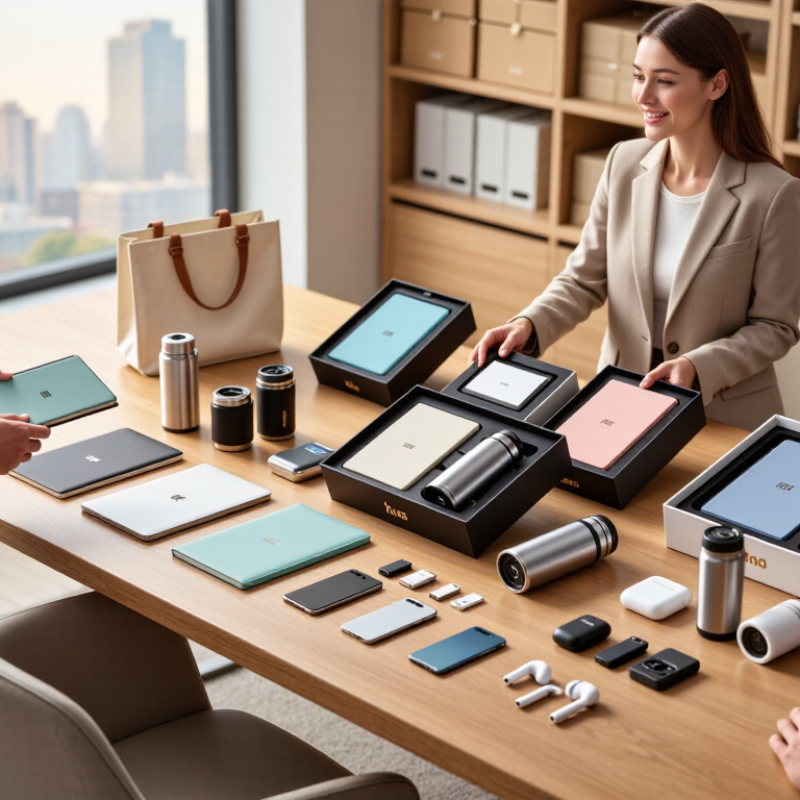
Custom corporate gifts wholesale covers practical products ordered in volume and tailored to a company’s identity. The best choices match the recipient’s daily routine, not just the latest trend. Useful options include cotton apparel, notebooks, insulated drinkware, tote bags, desk organizers, and wireless charging accessories. Each item can carry a logo, message, employee name, or event date.
Apparel offers broad visibility, from polos to lightweight jackets. However, fabric weight and sizing must be checked before production. Drinkware is popular for conferences and onboarding kits. Stainless steel bottles, ceramic mugs, and travel tumblers support repeated use.
Bags provide larger printing areas and suit trade events. Recycled fabric can add environmental value, but suppliers should verify material claims carefully.
Office products create a quieter form of brand exposure. Engraved pens, hardcover journals, mouse pads, and cable organizers fit desks and remote workspaces. Wellness items, such as sleep masks or compact fitness towels, can suit employee appreciation campaigns. Technology gifts require extra attention to compatibility, battery performance, and packaging instructions.
A sample is essential. Small artwork errors look obvious on hundreds of units. I have seen simple designs become less effective after too many colors were added. Clear artwork files, realistic quantities, and confirmed delivery dates reduce costly corrections. Some products look impressive in a catalog but feel ordinary in daily use. That judgment deserves more care.
Benefits of Buying Branded Gifts in Bulk
Custom corporate gifts wholesale means ordering personalized items in larger quantities from a supplier. Businesses can add a logo, message, employee name, or event date. This approach suits conferences, onboarding kits, client appreciation, and internal milestones. A practical order may include notebooks, insulated bottles, desk organizers, or reusable bags. The best choice reflects how recipients actually work. It should not merely look attractive.
Buying branded gifts in bulk usually lowers the unit price. It can also reduce repeated design, sampling, and shipping costs. A procurement team can keep one approved design for several events. That consistency makes the company appear organized and easier to recognize. Bulk purchasing also protects timelines when an event has hundreds of attendees. From experience, ordering early matters because decoration, inspection, and delivery rarely move as quickly as expected. A sample can reveal uneven printing, weak stitching, or packaging damage before the full order arrives. Small details matter.
Wholesale customization supports better budget planning. Teams can compare material quality, personalization methods, minimum quantities, and replacement policies before committing. Reliable suppliers should provide clear proofs, realistic production schedules, and traceable order information. However, large quantities can create waste if the gift has little practical value. I have seen inexpensive items remain untouched in office drawers. That is a useful warning. Ask recipients what they would use, then order a measured quantity with a modest reserve. The process is not flawless, but thoughtful testing can prevent expensive mistakes.