Why Choose Outdoor Playsets for Your Business?

For businesses serving families, outdoor recreation, hospitality, and early education, playsets outdoor equipment can create more than colorful scenery. It can become a practical investment in customer experience, repeat visits, and community value.

Tim Gill, an independent researcher and author on children’s play, states, “Play is not a luxury; it is a necessity.” His observation matters to business owners. A well-designed playset gives children space to climb, balance, imagine, and cooperate. Meanwhile, parents often stay longer when the play area feels engaging, visible, and comfortable. That extra time may support café sales, event
Why Choose Outdoor Playsets for Your Business?

Understanding Outdoor Playsets and Their Business Applications

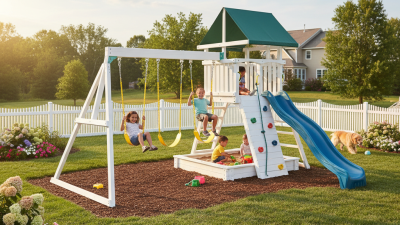
Outdoor playsets are structured recreational systems designed for active, social play outside. They may include climbing walls, slides, balance beams, swings, shade structures, and sensory panels. For a business, the right playset is more than colorful equipment. It shapes customer experience, space usage, and daily maintenance needs.

Childcare centers can use playsets to support movement, coordination, and supervised group activities. Hotels and family restaurants may add them to increase dwell time, especially near outdoor seating areas. Residential communities can create shared gathering spaces with age-appropriate equipment. Before purchasing, managers should measure the site, check drainage, plan clear supervision points, and review local safety requirements. Materials also matter. Powder-coated metal may suit busy areas, while treated wood can create a warmer appearance. I have learned that attractive designs do not always perform well. Some popular features become difficult to clean or rarely used.

Tips: Match equipment to user ages. Leave safe circulation space. Inspect bolts, surfacing, and moving parts regularly. Ask staff to record small defects before they become expensive repairs. A shaded bench helps supervisors stay nearby. It sounds simple. Accessibility should be planned from the beginning, not added as an afterthought. Businesses should also compare installation, repairs, cleaning, insurance needs, and expected usage. A smaller, well-managed play area may serve customers better than a large, neglected one.

Evaluating Customer Demand and Target Market Fit

Outdoor playsets can attract families, but customer demand is rarely uniform. The Outdoor Industry Association’s 2024 report recorded 175.8 million American outdoor recreation participants in 2023, a 4.1% annual increase. This signals strong interest in outdoor experiences, not automatic demand for every playset. Location matters more. A suburban childcare center may need shaded climbing equipment, while a hotel may value compact structures near seating areas. Observe who passes the site, when children visit, and how long families stay.

WHO recommends at least 60 minutes of moderate-to-vigorous activity daily for children aged 5–17. A well-designed playset can support that goal through climbing, balancing, sliding, and repeated movement. Yet purchase decisions also involve supervisors. Clear sightlines, impact-absorbing surfaces, accessible routes, and manageable cleaning routines affect real-world adoption. In my experience, buyers often underestimate installation downtime and seasonal maintenance. That mistake can damage customer satisfaction. Ask for traffic counts, age distribution, and available space before choosing equipment. Small details matter. A narrow gate can create queues. A hot metal slide can become unusable by noon. Market fit should be tested with a short pilot, customer interviews, and measurable indicators such as repeat visits, dwell time, and safety-related complaints. Industry forecasts may show growth, but local evidence should control the investment.

Why Choose Outdoor Playsets for Your Business?

Evaluating customer demand and target market fit through the size of the U.S. child population by age group.

Children ages 5–14 represent the strongest core audience for outdoor playsets because they are typically old enough to use climbing, sliding, and active-play equipment independently. The figures are based on rounded 2020 U.S. Census population estimates and can help businesses prioritize family-focused neighborhoods, schools, parks, and residential developments.

Assessing Costs, Revenue Potential, and Return on Investment

Why Choose Outdoor Playsets for Your Business?

Assessing Costs, Revenue Potential, and Return on Investment

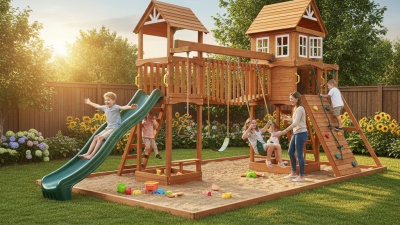
An outdoor playset can turn unused space into a paid customer experience. The investment includes equipment, ground preparation, safety surfacing, installation, permits, inspections, insurance, and routine repairs. A medium-sized project may require tens of thousands of dollars before opening. Costs rise quickly when drainage or fencing needs improvement. Do not underestimate maintenance.

Revenue depends on more than visitor numbers. A venue might charge $12 per child, attract 25 paying visitors daily, and operate 300 days annually. That creates $90,000 in gross admission revenue. Memberships, birthday bookings, school visits, and seasonal events can improve income. However, weather, staffing, closures, and local competition may reduce actual results. Gross revenue is not profit.

A practical ROI review should compare total annual profit with the original investment. Include cleaning, inspections, repairs, marketing, utilities, staff wages, and replacement parts. For example, a $50,000 installation producing $15,000 in annual net profit has a theoretical payback period of about 3.3 years. Real performance may differ. Some operators overestimate attendance during opening months. I would test demand with advance bookings or limited events before expanding the site. Clear safety procedures, documented inspections, and trained staff also protect customer trust while supporting steadier long-term revenue.

Planning for Safety, Space, Accessibility, and Compliance

Why Choose Outdoor Playsets for Your Business?

Planning for Safety, Space, Accessibility, and Compliance

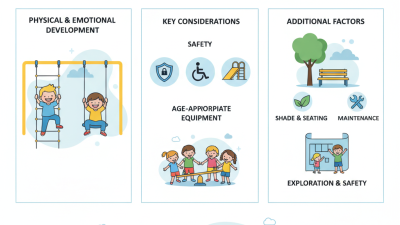
Outdoor playsets can make a business more welcoming, but safety planning must begin before installation. The U.S. Consumer Product Safety Commission reports that over 200,000 children receive emergency treatment for playground-related injuries each year. That figure is older, yet still useful. It shows why impact-absorbing surfacing, secure anchoring, and clear fall zones deserve careful attention.

Measure the site with a tape, not assumptions. Leave enough room for children to move around swings, slides, and climbing areas. Watch for tree roots, drainage problems, sharp edges, and poor evening visibility. The CPSC Public Playground Safety Handbook recommends regular inspections and maintenance. A loose bolt may look harmless at 9 a.m. It may not be harmless later.

Accessibility should shape the layout, not appear as an afterthought. The 2010 ADA Standards require accessible routes and usable features in covered public facilities, while ASTM F1487 provides widely recognized playground safety guidance. Consider firm paths, transfer platforms, ground-level activities, and seating near the play area. Compliance details can feel tedious. They prevent expensive mistakes. Operators should document inspections, train staff, and review local requirements with a qualified professional. No plan is perfect, and seasonal wear can expose weaknesses that installation day hides.

Choosing Equipment, Suppliers, Installation, and Maintenance Plans

Why Choose Outdoor Playsets for Your Business?

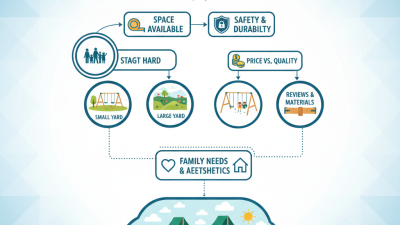
Choosing equipment should begin with use, not appearance. A busy childcare center needs strong frames, clear sightlines, and age-appropriate challenges. A hotel may need compact equipment and quieter surfacing. The U.S. Consumer Product Safety Commission reports roughly 200,000 playground injuries receive emergency treatment each year. That figure makes fall protection and routine inspections business decisions, not decorative details. Select equipment aligned with ASTM F1487 and the accessibility requirements used in your market. Test gates, fasteners, platforms, and drainage before opening each day.

Supplier quality matters just as much. Request load ratings, installation drawings, material specifications, and replacement-part policies. The International Play Equipment Manufacturers Association promotes third-party certification for playground equipment, which can strengthen purchasing confidence. Still, paperwork is not enough. Ask who answers after delivery. A low quote may hide difficult shipping, missing parts, or limited technical support.

Installation should be completed by trained crews on a prepared, level base. Measure fall zones twice. Small errors become expensive repairs. Build a maintenance plan with daily visual checks, monthly hardware reviews, and documented seasonal inspections. Keep photographs and repair dates in one accessible file. A neglected inspection log can weaken an otherwise careful operation. I have seen attractive play areas lose value because loose bolts and worn surfacing were noticed too late. Budget for replacement parts from the beginning. That feels cautious, but downtime costs more.