Why Are Play Sets Important for Child Development?

Play sets are more than colorful backyard structures. They create small, changing environments where children move, imagine, negotiate, and test limits. A child may climb a ladder, pause at the top, and choose a safer route down. That simple moment strengthens balance, body awareness, and decision-making. Another child may turn the slide into a rocket launch. Imagination gives ordinary equipment new meaning.

Dr. Joe Frost, a respected playground researcher, describes play as “the work of children.” His view explains why play sets matter beyond entertainment. Active play can support gross-motor development, while shared games encourage communication and cooperation. Children learn to wait for a turn, adjust rules, and handle small disappointments. These skills are not taught perfectly. They grow through repeated, real experiences.

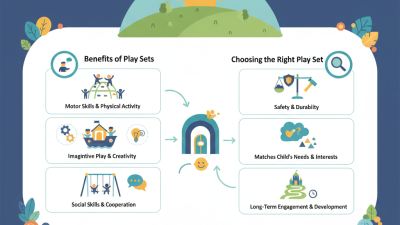
The evidence should still be viewed carefully. A play set is not a magic machine. It cannot replace attentive adults, open-ended toys, or regular outdoor time. Some marketing claims also sound stronger than the research supports. Design details matter. Stable steps, reachable handrails, varied heights, soft landing areas, and spaces for quiet play can change a child’s experience. Inclusive features matter too, because children have different bodies, abilities, and comfort levels. The best play sets leave room for challenge without creating unnecessary fear. They invite movement, but they also allow pauses. That balance is easy to miss. When chosen thoughtfully, play sets become practical settings for physical growth, social learning, confidence, and creative thinking.
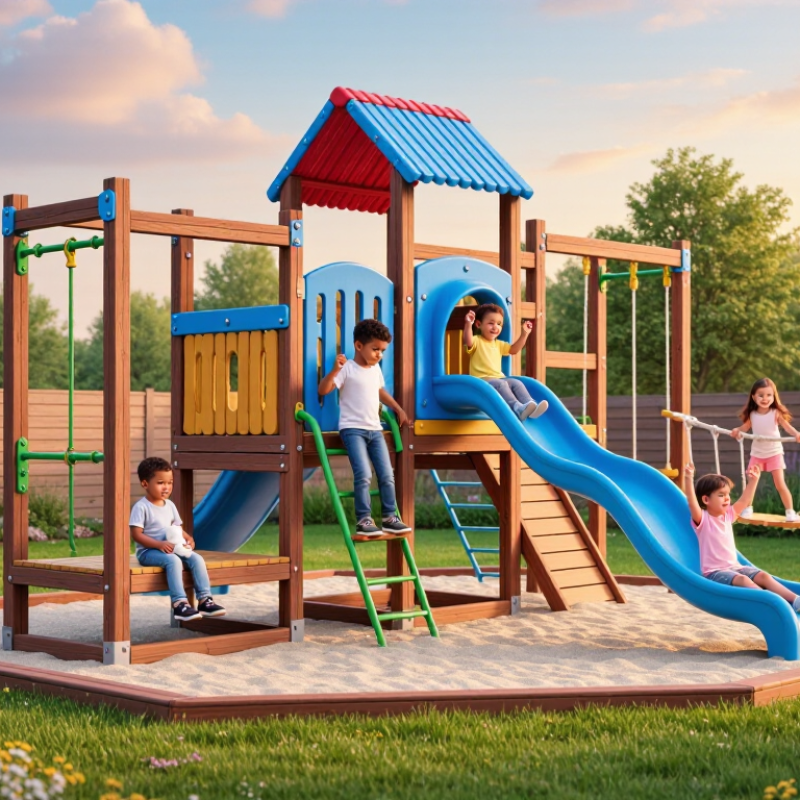
Why Are Play Sets Important for Child Development?

Play Sets Defined: CPSC Estimates 200,000+ Annual U.S. Playground Injuries

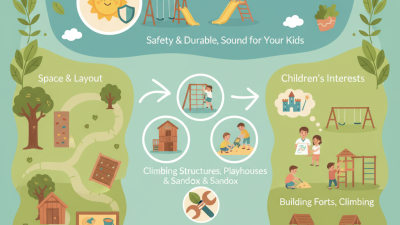
Play sets support more than physical activity. Children climb, balance, swing, and negotiate turns while building strength and confidence. Yet the CPSC estimates that more than 200,000 children receive emergency department treatment for playground-related injuries in the United States each year. The figure deserves attention. It does not mean every play set is dangerous, but it shows how quickly ordinary play can become an injury risk.

Falls cause many playground injuries, especially when surfaces are hard or equipment is too high. A child landing on bare soil or concrete has less protection than one landing on deep, properly maintained mulch or another impact-absorbing surface. Loose bolts, cracked plastic, sharp edges, and unstable ladders also need prompt attention. Small details matter.

Supervision should match a child’s age and ability. An adult can watch for tangled clothing, overcrowded platforms, or unsafe climbing attempts. Caregivers should inspect the set before use, including anchors, fasteners, swings, and surrounding clearance. Safety guidance is useful, but it is not perfect. Children behave unpredictably, and adults sometimes miss a worn connector after repeated inspections. That is why regular checks, age-appropriate equipment, and clear household rules work together. A play set should invite exploration without asking children to manage risks they cannot yet understand.

Physical Growth: WHO Sets a 60-Minute Daily Activity Target for Ages 5–17

Why Are Play Sets Important for Child Development?

Physical Growth: WHO Sets a 60-Minute Daily Activity Target for Ages 5–17

The World Health Organization’s 2020 Guidelines recommend at least 60 minutes of moderate-to-vigorous activity daily for children aged 5–17. Most activity should be aerobic, with vigorous movement and muscle- and bone-strengthening activities at least three days weekly. A play set can support this target through climbing, swinging, jumping, and balancing. These actions build coordination, leg strength, grip control, and spatial awareness. A child climbs a ladder, pauses, then lands with bent knees. That small sequence trains several movement skills.

However, a play set is not a complete exercise plan. A child may swing for ten minutes, then wander away. That is normal. The Centers for Disease Control and Prevention also emphasizes varied, age-appropriate activity rather than one repeated movement. Adults should watch for safe surfaces, stable equipment, suitable heights, and clear landing areas. WHO’s guidance also encourages reducing sedentary time, so active play should not be replaced by long periods of sitting indoors. I may overestimate the equipment’s value sometimes. Free running, ball games, and outdoor exploration remain essential.

Tips: Invite children to create short movement challenges, such as five climbs and a balance walk. Keep the session playful, not forced. Offer water and rest. Check bolts, platforms, and fall zones regularly. Replace damaged parts promptly.

Motor Skills: CDC Milestones Track Climbing, Balance, and Coordination

Play sets matter because they turn movement into a child-led challenge. A child reaches for a rung, shifts weight, and tests balance before stepping down. These small actions build gross motor skills through repeated practice, not formal instruction. The CDC’s 2022 developmental milestone guidance notes that many children can climb on and off furniture by age two, use stairs with support, and jump with both feet. By age three, many children can climb stairs using alternating feet and pedal a tricycle. These milestones offer useful reference points, not rigid deadlines.

A safe play set can support climbing, coordination, and body awareness in one short session. A child may grip a bar with both hands, pause on a platform, then walk across a low beam. That sequence requires planning. It also strengthens balance.

The World Health Organization recommends at least 180 minutes of physical activity daily for children aged three to four, including 60 minutes of moderate-to-vigorous activity. Active play sets can contribute to that total when adults allow varied movement and enough free space.

Adults should watch closely, especially near heights and moving equipment. Skills do not develop evenly. One child climbs confidently but struggles to balance; another needs more time. I sometimes overestimate what a “simple” structure demands. That is worth reconsidering. Observe how the child moves, offer calm encouragement, and discuss persistent concerns with a qualified healthcare professional. A milestone chart guides attention. It does not replace experience, context, or professional assessment.

Cognitive Development: AAP Links Play With Executive-Function Growth

Why Are Play Sets Important for Child Development?

A play set is more than climbing, sliding, or pretending to run a shop. It gives children repeated chances to practice executive functions. The American Academy of Pediatrics links play with growth in working memory, self-control, and flexible thinking. A child may remember a game rule, wait for a turn, then change plans when another child joins. These small decisions strengthen thinking through action, not worksheets.

Picture a child building a blanket “house” beside the sofa. She keeps two cushions from falling, negotiates roles, and repairs the entrance after it collapses. Her brain is holding information, controlling impulses, and solving problems at once. Research supports play as a valuable developmental context, but it does not promise identical results for every child. I have also seen adults over-direct play, turning a creative moment into a lesson. That can reduce the child’s ownership. Quiet observation may work better, though it can feel unproductive.

Tips: Choose equipment with safe, open-ended features. Let children invent rules before offering help. Ask, “What could you try next?” instead of solving the problem immediately. Keep play sessions realistic and unhurried. A child who struggles today may need space, sleep, or a simpler challenge. Watch for progress across weeks, not one afternoon. Conversation after play can reveal thinking that adults missed during the game.

Social Development: NAEYC Identifies Play as a Primary Learning Context

Why Are Play Sets Important for Child Development?

The National Association for the Education of Young Children identifies play as a primary context for learning. A play set gives children a small social world to manage together. One child may build a bridge with blocks. Another may suggest a different design. They negotiate, listen, and adjust their ideas through action. These moments support communication, empathy, and flexible thinking more naturally than direct instruction alone.

Social learning becomes visible in simple details. A child waits for a turn on the slide. Another offers a toy shovel after noticing a frustrated friend. During pretend play, children practice roles such as caregiver, shopkeeper, or builder. They learn that shared games need rules, even when those rules change. Adults can support this process by asking, “How can everyone join?” rather than solving every disagreement immediately. The question leaves room for children to think.

A play set does not automatically create cooperation. Crowded spaces may cause conflict, and quieter children can be overlooked. I have sometimes assumed that children were enjoying a group game when one child was only copying others. That mistake deserves attention. Careful observation helps adults adjust the space, add materials, or model respectful language. Safe equipment matters, but thoughtful guidance matters too. Children need freedom, structure, and time to repair small social failures.

Why Are Play Sets Important for Child Development? – Social Development: NAEYC Identifies Play as a Primary Learning Context

Developmental Dimension Play-Set Experience Observable Child Behaviors Developmental Value Typical Age Relevance Adult Support Indicator
Social Interaction Shared platforms, tunnels, slides, pretend-play areas, and open-ended activity zones Joins peers, takes turns, watches others, invites participation, and adjusts play to group activity Creates repeated opportunities to practice cooperation, participation, and shared attention Especially relevant from approximately 2–6 years, while social play continues throughout childhood Observe whether children have enough space and time to interact without unnecessary interruption
Communication and Language Role-play structures, themed props, and spaces that encourage conversation Uses words or gestures to suggest roles, explain ideas, negotiate rules, and respond to peers Supports vocabulary, listening, narrative development, and expressive communication in meaningful contexts Relevant across the early-childhood years; complexity generally increases with language development Use open-ended prompts such as “What is happening here?” rather than directing the storyline
Self-Regulation Predictable routes, waiting areas, quiet corners, and manageable physical challenges Waits briefly, follows agreed rules, manages frustration, seeks help, and returns to play after setbacks Provides authentic practice with impulse control, emotional recovery, flexibility, and decision-making Develops progressively from toddlerhood through the early school years Model calm language for feelings and help children develop simple, shared play rules
Problem-Solving and Executive Function Climbing choices, balance elements, movable materials, and flexible construction spaces Plans a route, tests an idea, changes strategy, remembers rules, and completes a self-selected challenge Strengthens planning, working memory, cognitive flexibility, and persistence through active play Relevant from about 2–8 years and continues to develop with more complex challenges Offer graduated challenges that are attainable but require children to think and adapt
Gross-Motor Development Steps, ramps, climbing surfaces, crawling spaces, balancing elements, and sliding features Climbs, crawls, balances, runs, changes direction, and coordinates whole-body movements Builds strength, balance, coordination, body awareness, and confidence in movement Relevant throughout early childhood, with challenge level matched to individual ability Check that equipment offers varied movement options and appropriate fall protection
Imagination and Symbolic Play Structures that can become homes, vehicles, shops, schools, or other child-created settings Assigns roles, substitutes objects, creates story sequences, and changes the meaning of spaces Encourages creativity, perspective-taking, narrative thinking, and flexible use of materials Pretend play becomes increasingly complex during the preschool years Provide simple, open-ended props and allow children to determine the purpose of the play area
Inclusion and Belonging Multiple entry points, varied heights, accessible routes, sensory options, and spaces for both group and individual play Participates in a preferred way, communicates needs, plays alongside others, and returns to shared activities Helps create equitable opportunities for participation, autonomy, peer connection, and belonging Relevant for all children; adaptations should reflect individual strengths and support needs Review whether every child can enter, use, leave, and meaningfully participate in the play environment

Evidence-informed note: Play is a primary context for young children’s learning because it integrates social interaction, language, physical activity, self-regulation, creativity, and problem-solving. Outcomes vary by child, environment, adult interaction, and the quality and accessibility of the play experience.

Reference basis: National early-childhood guidance on developmentally appropriate practice and play-based learning; developmental domains summarized from widely used early-childhood learning frameworks.