
7 Tips for Buying Playsets for Your Backyard
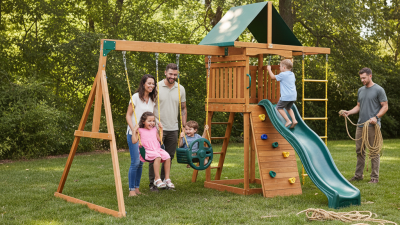
A backyard playset can turn an empty patch of grass into a place for climbing, swinging, and imaginative games. The right choice, however, depends on more than bright colors or a long accessory list. Before comparing models, measure the usable yard, note nearby fences and trees, and consider who will use the structure now—and as they grow. Measure twice. A swing needs room to move, while a slide needs a clear landing area.
Play researcher Dr. Stuart Brown, founder of the National Institute for Play, wrote, “The opposite of play is not work—it’s depression.” His observation helps explain why outdoor play deserves thoughtful planning, not a rushed purchase. When comparing playsets for backyard use, look closely at age guidance, materials, anchoring, assembly needs, and the maker’s maintenance instructions. Check current safety guidance, too. A sturdy-looking tower is not automatically a suitable one for every yard or child.
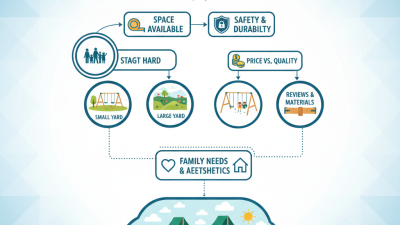
The tips ahead will help you weigh space, durability, safety features, and long-term value before buying. Pay attention to details that are easy to overlook, such as drainage beneath the play area and whether adults can inspect hidden connections. Small details matter. No checklist can predict every family’s needs, and a larger set is not always better. The best fit is the one that suits your space, budget, and children’s abilities—with room for careful reconsideration before checkout.
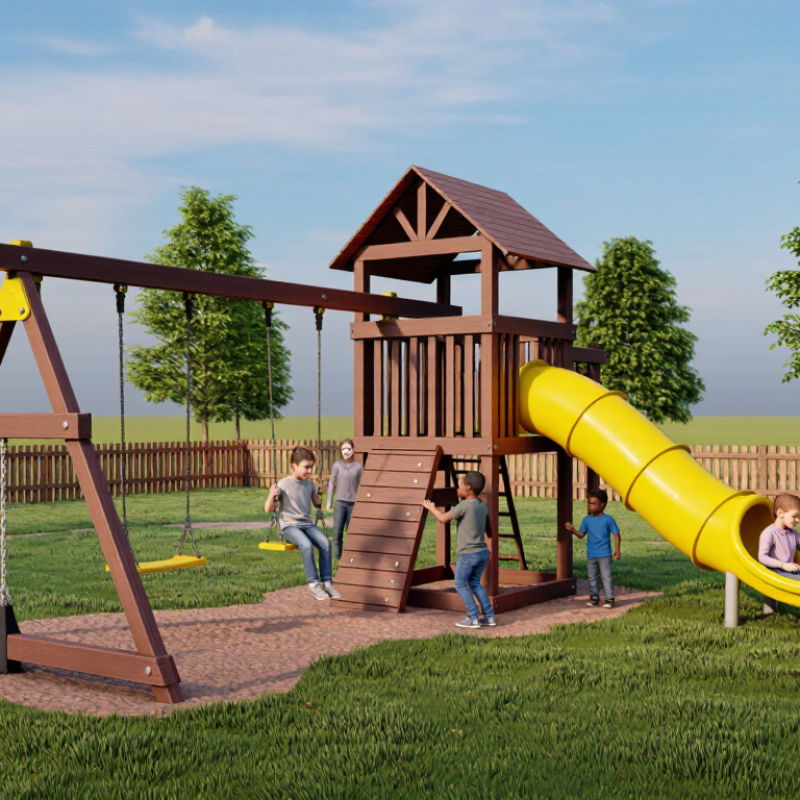
Assess Your Backyard Space and Children’s Needs
Start with the ground, not the playset. Measure the usable length and width of your yard, then mark the proposed footprint with string or chalk. Measure twice. Leave room around swings and slides for children to move without hitting fences, trees, or garden furniture. Check overhead branches, nearby windows, and slopes. A level, well-drained spot is usually easier to use and maintain than a damp corner where rainwater collects.
Think about the children who will use the equipment now. Their ages, heights, confidence, and mobility all affect which features are suitable. A young child may enjoy low steps and short slides, while older children may want climbing challenges. If siblings will share the playset, look for features that let them play without crowding each other. Ask what they actually enjoy; a tall tower can look exciting but sit unused. Needs change, too, so consider whether the equipment can suit them as they grow.
Check the view from the rooms where adults spend time. A play area hidden behind a shed can be harder to supervise. It is easy to misjudge a yard from memory, so mark the space and walk around it before deciding. Follow the playset maker’s installation instructions for surface and clearance requirements, since these vary by design. A little less equipment may leave more room for running, bikes, or simply getting through the yard.
| Tip | What to Assess | Practical Check | Why It Matters |
|---|---|---|---|
| 1. Measure the usable area | Measure the level, open part of the yard where a playset could go, rather than the entire property. | Record the length and width, then note fixed obstacles such as fences, trees, sheds, and garden beds. | The playset needs room for its structure as well as the manufacturer-specified use and clearance areas. |
| 2. Allow space around moving equipment | Check the planned positions of swings, slides, and other moving parts. | Use the product’s installation instructions to determine required clearances. As a planning example, a swing’s travel area may extend several feet in front of and behind the frame. | Clear space helps reduce collisions with fences, walls, trees, and other play equipment. Required distances vary by design. |
| 3. Check the ground and slope | Look for steep slopes, low spots, exposed roots, rocks, and areas where water collects. | Choose a firm, well-drained location and check the installation instructions for leveling and anchoring requirements. | Uneven or soft ground can affect stability, drainage, and access to the playset. |
| 4. Match features to children’s ages | Consider the ages, abilities, and number of children who will use the playset. | Check the stated age range and weight limits for each feature. Younger children may need lower platforms and age-appropriate steps. | A suitable design helps children use equipment that matches their physical development and abilities. |
| 5. Plan for supervision and visibility | Consider sightlines from the house, patio, or other places where adults spend time. | Stand at likely supervision points and check whether fences, shrubs, or buildings block the view. | A visible location makes it easier for caregivers to keep an eye on children during play. |
| 6. Choose an appropriate landing surface | Assess the surface beneath and around elevated play areas. | Follow the equipment instructions and local guidance for impact-absorbing surfacing, required coverage, and maintenance. | Grass and compacted soil may not provide the same impact absorption as purpose-designed playground surfacing. |
| 7. Check access, boundaries, and future needs | Think about routes into the yard, nearby gates, property boundaries, and how children’s needs may change. | Confirm there is a practical path for installation and maintenance, and avoid placing equipment where it blocks gates or walkways. | Good access supports installation and upkeep, while a flexible choice can remain useful as children grow. |
Related Posts
-
China Top Backyard Swing Sets With Installation Suppliers
-
How to Choose the Most Durable Playsets for Your Kids?
-
10 Best Unique Outdoor Playsets for Ultimate Fun and Adventure?
-
Top Tips for Choosing Backyard Swing Sets with Installation?
-
2026 How to Choose the Best Vinyl Swingsets for Your Backyard?
-
Why Are Play Sets Important for Child Development?