How to Choose Vinyl Playsets for Your Backyard

Choosing vinyl playsets for backyard use is not simply a matter of color, size, or price. The right set should fit your children, available space, safety needs, and maintenance expectations. A bright tower may look perfect online, yet feel oversized beside a small patio or garden fence.

Dr. Joe L. Frost, a respected playground researcher, once said, “Play is the business of childhood.” His words provide a useful starting point. Children need challenging movement, imaginative features, and room to play safely. Parents also need dependable materials, stable construction, smooth edges, and clear installation guidance. Vinyl can offer a clean appearance and simple maintenance, but quality differs between manufacturers. Some products fade faster than expected. That detail is easy to miss.

This guide explains how to compare vinyl playsets for backyard spaces with practical judgment. It considers footprint, platform height, weight limits, hardware, drainage, shade, and fall zones. Measure the yard before browsing product photos. Leave space around slides, swings, and climbing areas. Check whether the surface drains after heavy rain. A soft lawn may seem suitable, but it can become hard or uneven over time.

There is no perfect playset for every family. A smaller model may provide better supervision and safer movement. A larger set may encourage more varied play, but require stronger installation and more upkeep. Personal experience matters, too. Watch how your children actually play, not only what advertisements promise. The best choice balances enjoyment, durability, safety, and honest expectations.

How to Choose Vinyl Playsets for Your Backyard

Understanding Vinyl Playsets and Their Backyard Benefits

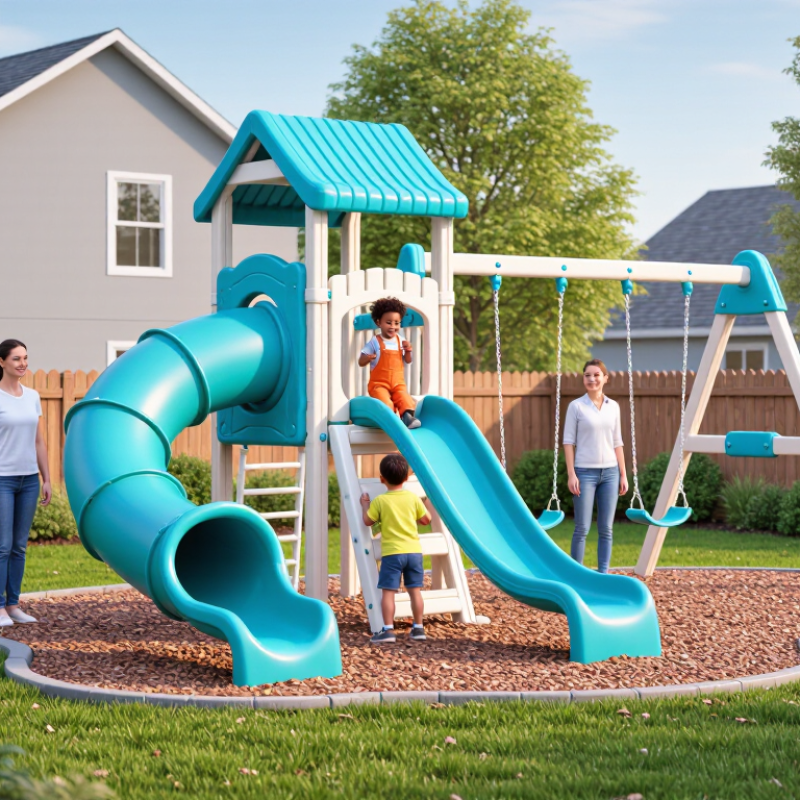
Vinyl playsets combine a sturdy frame with a smooth, weather-resistant outer surface. The vinyl layer helps protect wood from moisture, splinters, and everyday backyard wear. It also creates a cleaner appearance with fewer rough edges for children to touch.

In practice, the backyard environment matters more than appearance alone. Measure the available space, including a safe fall zone around swings and slides. Check whether the ground drains well after rain. Standing water can shorten the life of nearby materials and create slippery conditions. Light-colored vinyl usually feels cooler than darker surfaces under strong sunlight. However, every material can become hot during summer afternoons. A shaded position and regular temperature checks are still sensible.

Look closely at the hardware, connection points, and weight limits. Reliable playsets should include clear installation instructions and safety information based on recognized playground guidance. Inspect bolts, handrails, steps, and slide surfaces several times each season. Mild soap and water usually remove dirt without damaging the finish. Avoid harsh cleaners unless the care instructions allow them.

I once underestimated how much space a swing needs. It made the layout feel cramped. That mistake changed how I plan play areas now. Vinyl does not remove every maintenance concern. Fading, loose fittings, and ground movement can still occur. A thoughtful choice balances durability, comfort, drainage, supervision, and the children’s ages.

Assessing Backyard Space, Surface, and Safety Requirements

How to Choose Vinyl Playsets for Your Backyard

Assessing Backyard Space, Surface, and Safety Requirements

Measure the backyard before comparing colors, ladders, or decorative details. Leave clear space around every side of the vinyl playset. Children need room to swing, run, and fall safely. A narrow passage beside a fence can become a dangerous blind spot. Check overhead branches, roof edges, sprinklers, and utility lines as well.

The ground matters as much as the playset itself. Firm, level soil helps prevent shifting and uneven stress on the frame. Grass may look soft, but it can become slippery after rain. Consider certified protective surfacing beneath climbing and sliding areas. Avoid concrete, loose stones, and exposed roots. I once underestimated a slight slope during planning. It looked harmless, but water collected near one support after heavy rain.

Tips: Mark the footprint with stakes and string. Walk around it with a child’s movement in mind. Test drainage after rainfall. Inspect vinyl panels for sharp edges, cracks, and loose hardware before use. Check that openings cannot trap a child’s head, hand, or foot. Follow the installation instructions carefully, even when a shortcut seems obvious. Recheck anchors and fasteners seasonally. A professional installer or local safety inspector can identify risks that casual measurements miss. Keep the play area visible from the house, and remove nearby furniture that could encourage unsafe climbing.

Comparing Playset Designs, Features, and Age Appropriateness

Choosing a vinyl playset starts with your children’s ages, not its color or size. Toddlers need low platforms, wide steps, short slides, and enclosed openings. Older children often prefer climbing walls, monkey bars, and taller slides. A mixed-age set can work well, but crowded designs may create collisions. I have found that simple layouts are easier to supervise from a kitchen window.

Compare features closely. Look for rounded vinyl edges, secure handrails, and hardware that stays covered. UV-resistant surfaces help reduce fading during hot summers. However, vinyl can still become warm under direct sunlight. Check the swing height and seat style for each child. A preschool seat offers more support than a standard belt seat. Measure the available yard space, including the recommended fall zone. Grass alone may not provide enough protection. Use an appropriate impact-absorbing surface and anchor the structure firmly.

Tips: Choose equipment that matches the youngest regular user. Inspect bolts, connectors, and vinyl panels each month. Test every movement yourself before allowing children to play. A set may look spacious online but feel cramped after installation. Leave room for growing children, although predicting their interests is imperfect. Some children ignore climbing features and repeatedly use one small slide. That detail can change which design offers the best everyday value.

How to Choose Vinyl Playsets for Your Backyard - Comparing Playset Designs, Features, and Age Appropriateness

Playset Design Recommended Age Typical Footprint Core Features Best For Safety and Installation Considerations Maintenance Level
Compact Two-Platform Set 2–5 years Approximately 8 × 10 ft One low deck, short slide, small climbing steps, steering wheel, and enclosed play area Toddlers and younger preschool children Use low platforms with protective barriers; install on level ground with impact-absorbing surfacing and adequate clearance around the slide Low
Single-Deck Slide Set 3–8 years Approximately 10 × 12 ft One elevated deck, straight slide, ladder, climbing wall, and shaded play area Families seeking a balanced starter playset Confirm the platform height matches the child’s age; anchor the structure and keep fall zones free of hard surfaces and obstacles Low to moderate
Twin-Deck Activity Set 4–10 years Approximately 12 × 16 ft Two platforms, wave slide, climbing wall, ladder, bridge, and sandbox or lower playhouse Multiple children and active outdoor play Requires a larger level area, secure anchoring, sufficient spacing between components, and regular checks of bolts, connectors, and handholds Moderate
Swings-and-Slide Combination 4–10 years Approximately 14 × 16 ft Two or three swings, one deck, slide, ladder, and optional trapeze bar Children who prefer swinging and movement-based activities Allow a wide front-and-back swing clearance; use age-appropriate swing seats and inspect chains, seats, hangers, and attachment points frequently Moderate
Multi-Level Adventure Set 5–12 years Approximately 16 × 20 ft Multiple decks, tall slide, climbing wall, rope ladder, bridge, and monkey bars Older children who need more challenging activities Needs substantial fall-zone surfacing, stronger anchoring, careful supervision for younger children, and routine inspection of elevated and climbing components Moderate to high
Accessible Low-Platform Set 2–8 years, depending on configuration Approximately 10 × 14 ft Low entry point, transfer platform, gentle slide, broad ramp, and sensory play panels Inclusive play and children with different mobility needs Provide a stable route to the equipment, maintain clear approach areas, use slip-resistant surfaces, and verify that accessibility features suit the child’s individual needs Low to moderate
Playhouse-Focused Set 2–7 years Approximately 8 × 12 ft Enclosed playhouse, bench, pretend-play panels, small ladder, and short slide Imaginative play and quieter backyard activities Use ventilation openings that do not create entrapment hazards; avoid sharp edges and keep doors, windows, and access points unobstructed Low
Selection Notes: Choose equipment based on the child’s current abilities rather than age alone. Confirm the manufacturer’s stated age range, platform height, weight limits, required clearance, anchoring method, and installation instructions. Use an appropriate protective surfacing system beneath and around elevated equipment, and inspect the playset regularly for loose fasteners, worn components, cracks, splinters, corrosion, and shifting foundations.

Evaluating Vinyl Quality, Durability, and Maintenance Needs

How to Choose Vinyl Playsets for Your Backyard

Vinyl quality starts with the material’s composition, not its surface shine. Look for outdoor-grade vinyl with UV stabilizers and consistent coloring. Cheap panels may fade, crack, or become brittle after repeated sun exposure. Check edges and corners carefully. They should feel smooth, firm, and free from thin, flexible spots. A thicker panel is useful, but it does not guarantee better construction.

Durability also depends on the frame, fasteners, and drainage design. Inspect connection points for rust-resistant hardware and secure joints. Water trapped inside posts can create problems that remain hidden for months. In my experience, small gaps and weak brackets often matter more than attractive colors. I once underestimated shade placement; the playset stayed cooler, but nearby branches increased cleaning needs. That choice needed more thought.

Tips: Choose a location with partial shade and clear visibility. Wash vinyl with mild soap, water, and a soft brush. Avoid abrasive cleaners, which can dull the finish. Inspect bolts, caps, and seams every few months. Tighten loose hardware promptly. Remove leaves after rain, especially around slides and platforms. Ask for documented material specifications and maintenance instructions. If the seller cannot explain expected fading, cracking, or temperature limits, pause before purchasing. No material is maintenance-free.

Choosing a Reliable Supplier and Planning the Installation

Choosing a reliable vinyl playset supplier begins with evidence, not attractive photos.

Ask for material specifications, UV-resistance details, load limits, installation drawings, and replacement-part availability. Vinyl should feel smooth, with capped edges and no exposed fasteners.

The U.S. Consumer Product Safety Commission estimates that playground equipment causes about 200,000 emergency-department injuries among children annually.

Its Public Playground Safety Handbook also identifies falls as the leading injury source, representing roughly 79% of reported cases. These figures make surface planning essential, not optional.

Request references from completed backyard installations. A dependable supplier should explain anchoring, drainage, slope correction, and clearance zones in plain language. Confirm whether the equipment follows the relevant ASTM residential playground standard, and ask for written inspection guidance.

During installation, measure the landing area twice. Leave clear space around swings and slides, then check every bolt after the first week of use. A level base matters more than many homeowners expect.

I once underestimated how quickly poor drainage could soften soil near an anchor; the playset remained attractive, but stability needed correction. That mistake changed my checklist.

Schedule delivery only after measuring gates, corners, and overhead obstacles. Keep the assembly manual and warranty together. They are easy to lose.